The Wager: A Tale of Shipwreck, Mutiny and Murder
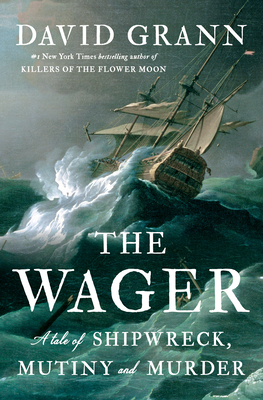
The Wager is a non-fiction book covering the improbable story of the 1741 shipwreck and mutiny of the crew from the English warship HMS Wager. Remarkably, after the crew mutinies and split into two groups, both manage to make the long voyage home to England. Along the way they live as castaways on an island, traverse dangerous seas on a tiny boat, and some even end up being captured by the Spanish. Albeit of the original 250 crew, only 36 make it home - the rest perish by some combination of starvation, drowning, murder, scurvy and typhus.
One of the more famous names to survive this journey is a Lord John Byron, who was only 16 when he embarked on this voyage. Of course you might immediately wonder if he’s in some way related to the famous poet Lord Byron and yep - he was his grandfather. Although the two never met, the poet Byron was inspired by the book his grandfather published about surviving these “great distresses” and there are references to him in some of his poetry.
Journeys like these are not always just about a bunch of white people, so Grann also does try to provide glimpses of other perspectives where he can. He points out that the survivors of the Wager could surely have only survived due to the generosity of some of the Indigenous people in the area. Notably the Kawésqar people, who were a nomadic people, mostly living in their boats. They used dogs to herd and catch fish in nets (pretty cool), and gave food to the shipwrecked sailors. Sadly he also notes the fate of a black sailor named John Duck. Although he survived the initial shipwreck, he was kidnapped and sold into slavery whilst on the long journey home.
The book could almost read like a fiction book - it’s not dry at all - but is very much backed up by the huge amount of research the author David Grann has put into it. You might question how he was able to get such detailed firsthand accounts from sailors spending years at sea, but this was thanks to the tradition of writing daily logbooks, where its authors would note down all the things that happened - who died, repairs required on the ship and other observations - and at times might inject a bit of their own personality into it too. If the author was of a high-enough rank, when they returned home they might publish the logs into a book. Of course, after both parties from the mutiny returned home, there was a rush to try and woo the public into believing their side of the story (was the choice to mutiny rightful or not) and additional accounts were published which would have been useful sources as well.
As well as being useful for historians/authors today, the logbooks were also a valuable resource for sailors back then. The HMS Wager had a copy of John Narborough’s book from 1671 detailing his voyage around South America, and they used the landmarks described in the book to attempt their own navigation of the Strait of Magellan.
Although the book mainly focuses on the Wager, it was actually part of a larger fleet of six ships led by Commodore Anson who was setting out to steal gold from the Spanish. Although the Wager shipwrecked, three of Anson’s ships managed to continue on with their intended journey. Anson eventually published his book, A Voyage Round the World, and as a final fun fact, a copy of this book was kept aboard both Captain Cook’s Endeavour and Charles Darwin’s Beagle.
Although this tale may be mostly forgotten now, David Grann has lovingly helped to bring it back to life. Considering that one of his previous books Killers of the Flower Moon was made into a movie, maybe this could be a future contender? As it turns out, Scorsese and Leonardo DiCaprio acquired the screen rights to this book even before it was published, so we might end up seeing it sooner rather than later.
Leave a comment