After climbing Mt Amakazari, we spent another night in Niigata before heading back home to Tokyo. We were so close to the Sea of Japan, so there was no way I wasn’t going to go check it out!
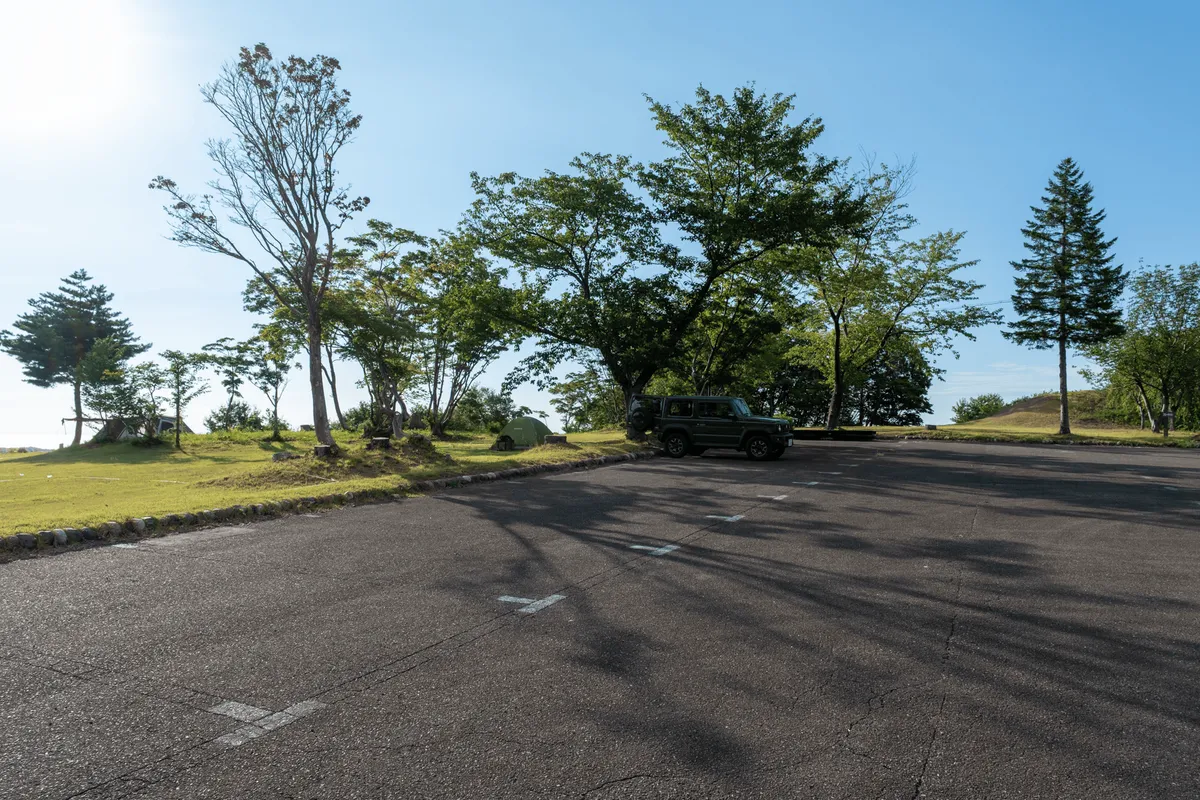
After our hike, we drove out to Itoigawa and camped at the Taka-no-Mine Plateau Forest Park, which is a little camping site overlooking the sea. It turned out that we nearly had the place to ourselves - even though it was a Saturday night, and the campsite could probably hold more than 50 tents, there were only 3 of us camped out.
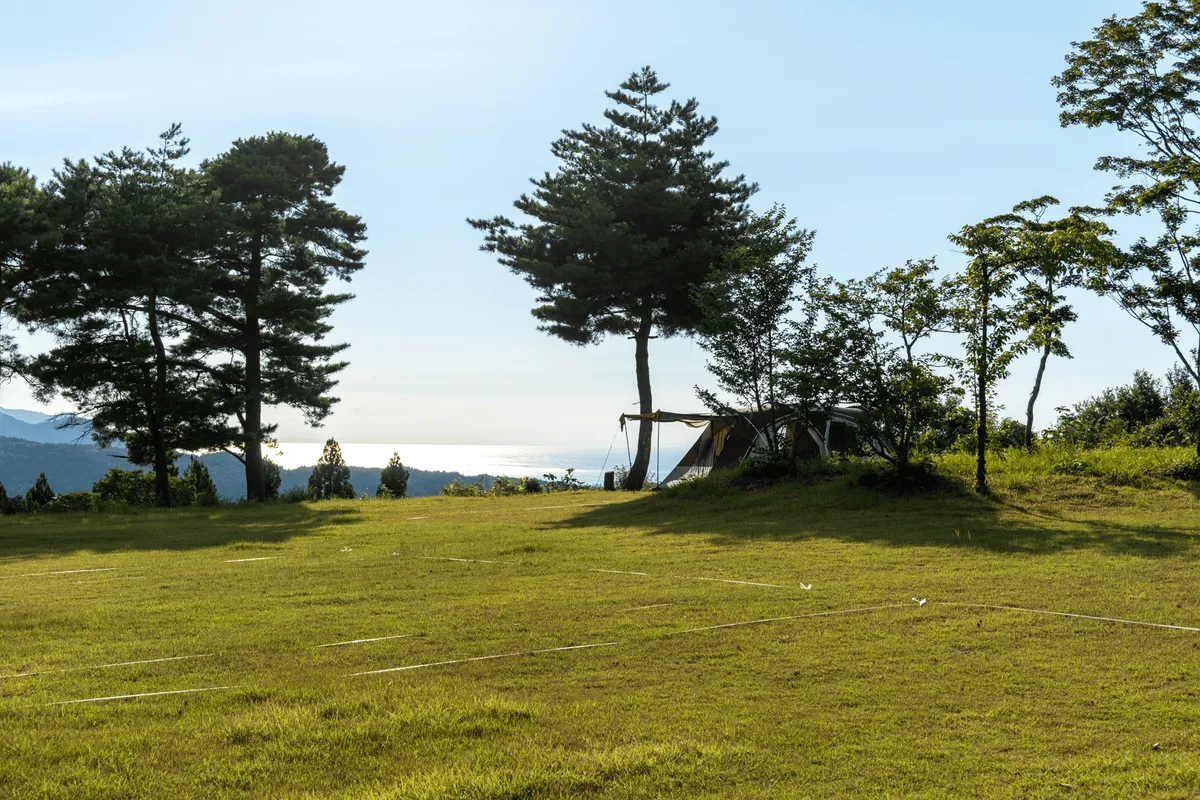
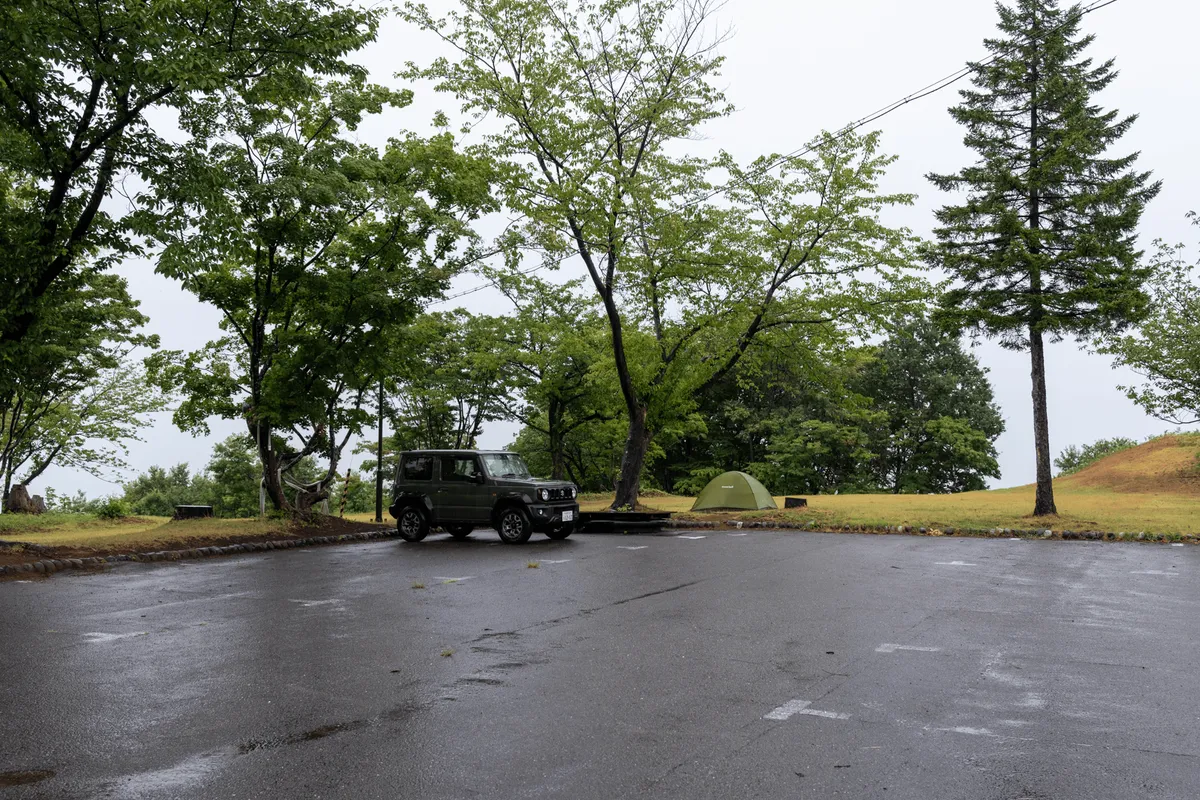
The reason for this was that although it was a fairly sunny Saturday, it was due to start raining the next morning, and so most people had given up on the idea of camping. It was a really nice campsite, with views out to the sea and we even spotted some fireworks that night as well. Although as expected, it began to rain at about 1am and continued as a light drizzle throughout the morning.
Jade Beach
After quickly packing up our tent, we took the short drive to the coast and stopped by the Jade Beach. Honestly my only plan was to see the sea up close, after having seen it at a distance on my last two hikes from Mt Amakazari and Mt Echigo-Komagatake, and I hadn’t really researched beyond that. Looking on Google Maps, it seemed like Itoigawa’s Jade Beach was the main tourist drawcard in the area, so I figured that was a good place to start.
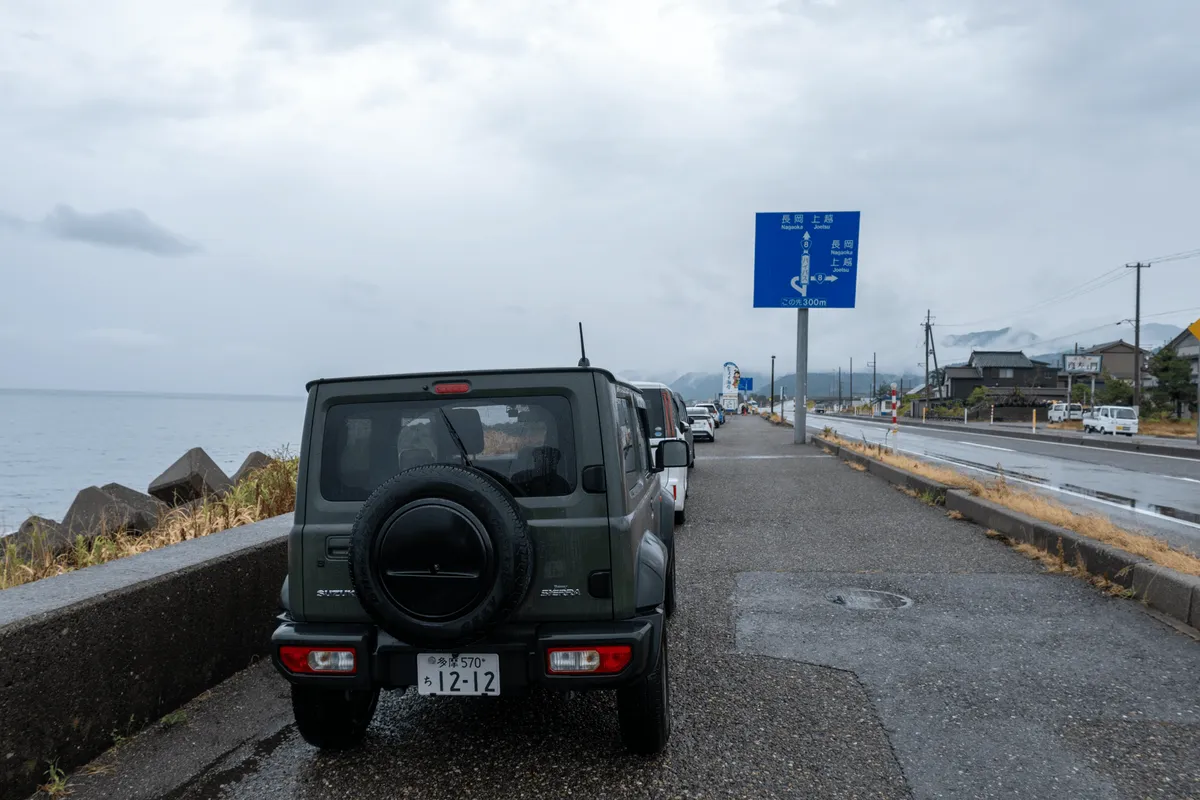
The parking lot for the beach is just a long stretch of spots where you can parallel park - which wouldn’t stand out at all if you’re from Australia like me, where cars are parallel parked on every suburban street. But parallel parking doesn’t really exist in Japan, and funnily enough the last (and only) times I’ve ever had to parallel park was while I was getting my Japanese driver’s license. So I guess this is was a bit of a unique experience in itself.
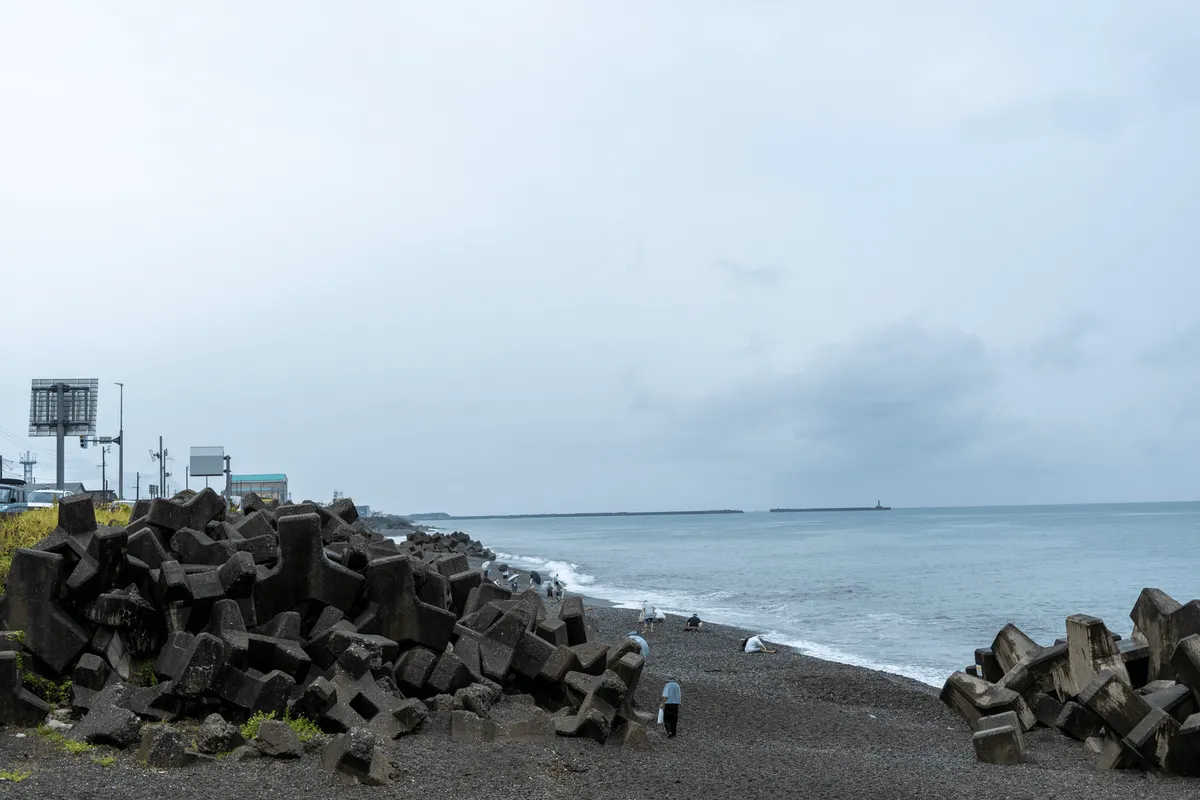
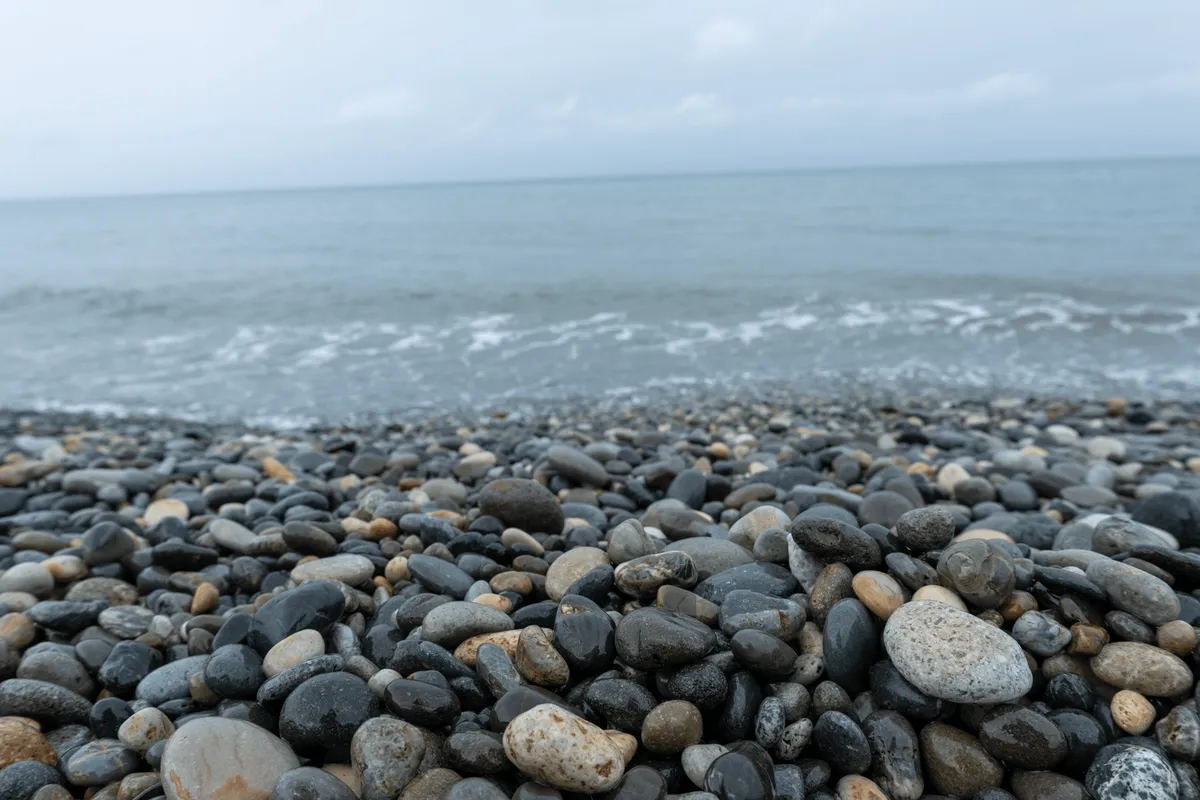
Now the reason this beach is called “Jade Beach” is because you can actually pick up pieces of jade! The entire beach is made of large pebbles and stones which have been smoothed out by the crashing waves.
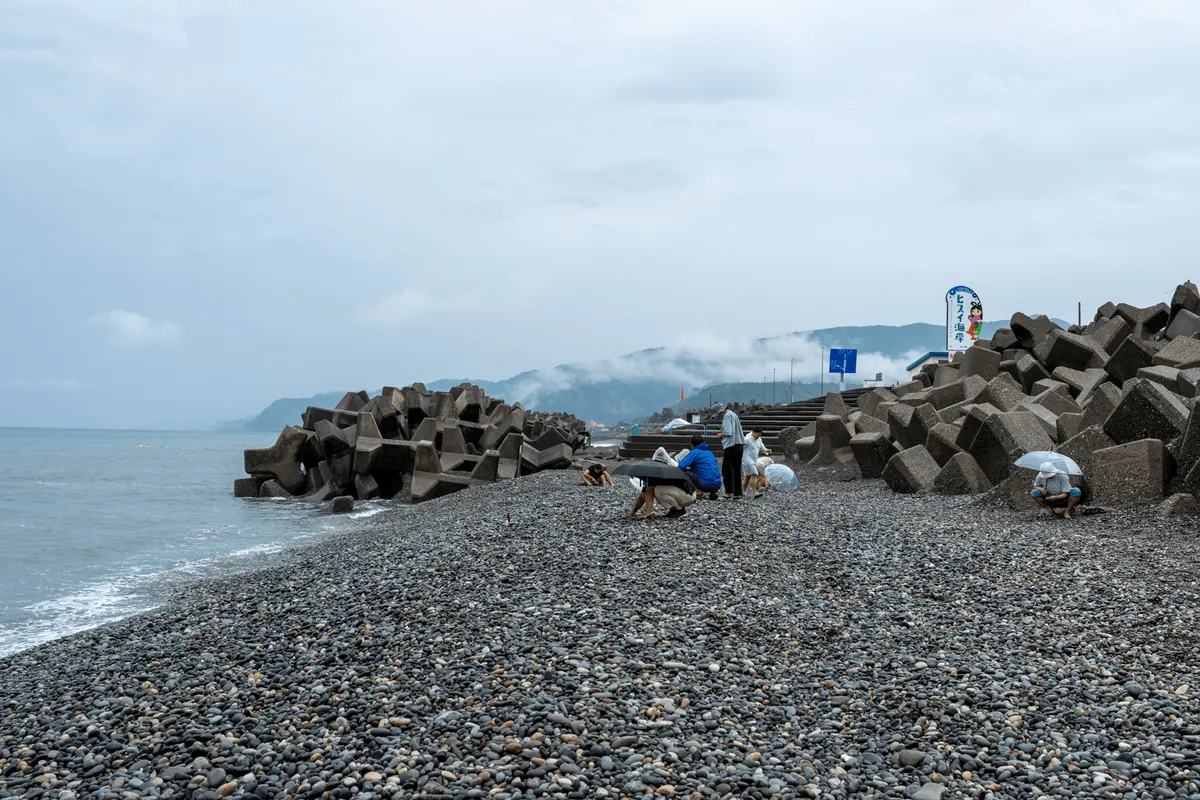
Even on a slightly rainy morning like this one, there were still a decent number of people combing through the pebbles to find jade. Some came prepared with proper sifting equipment, others (like us) scrabbled through the rocks with our hands, and I even spotted one man wielding a slotted kitchen ladle.
There seemed to be a variety of techniques on display - one guy who seemed to know what he was doing was strolling along the water’s edge, occasionally poking at rocks with his stick, while others were sticking at one spot and digging large holes in the hopes of finding something valuable hidden beneath the surface.
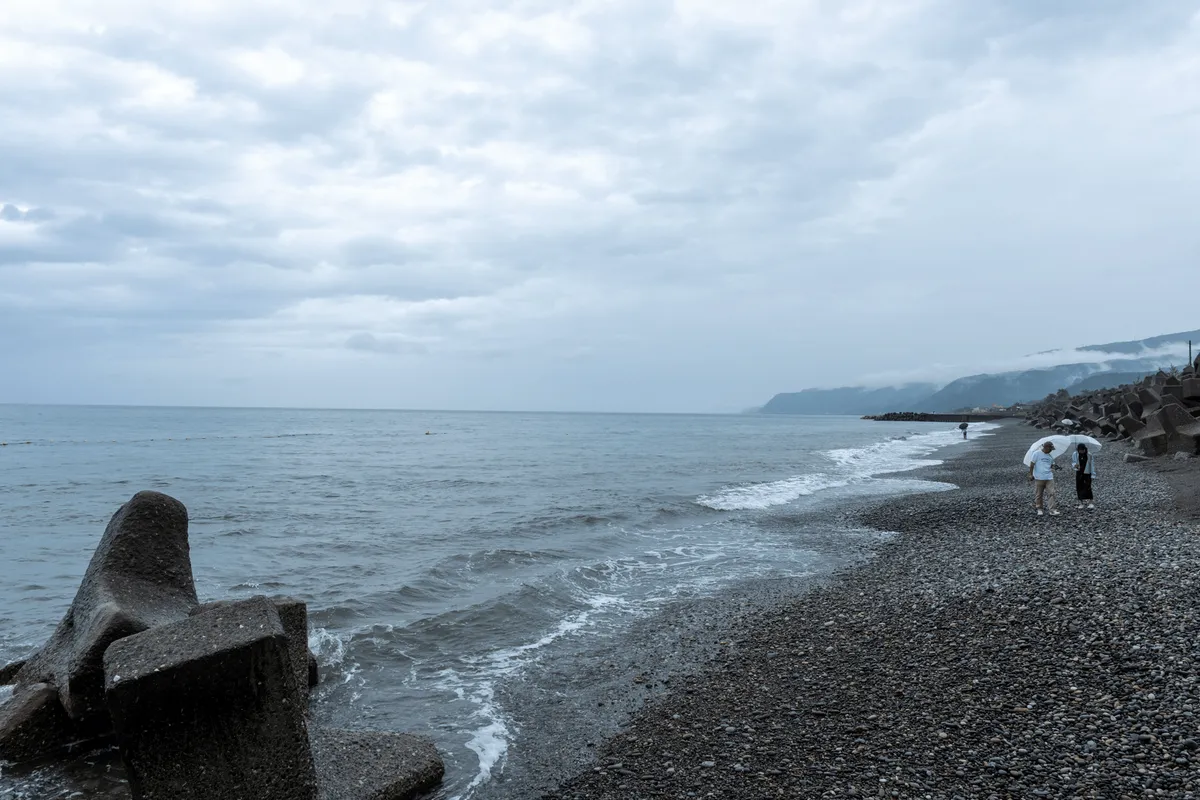
Unfortunately, we didn’t really know what we were looking for! I mean first off, the image that comes to mind when I think of jade is a sort of pale green, smoothed out stone that you wear as jewellery. Nothing really stood out quite like that, so we were picking up anything that looked vaguely green.
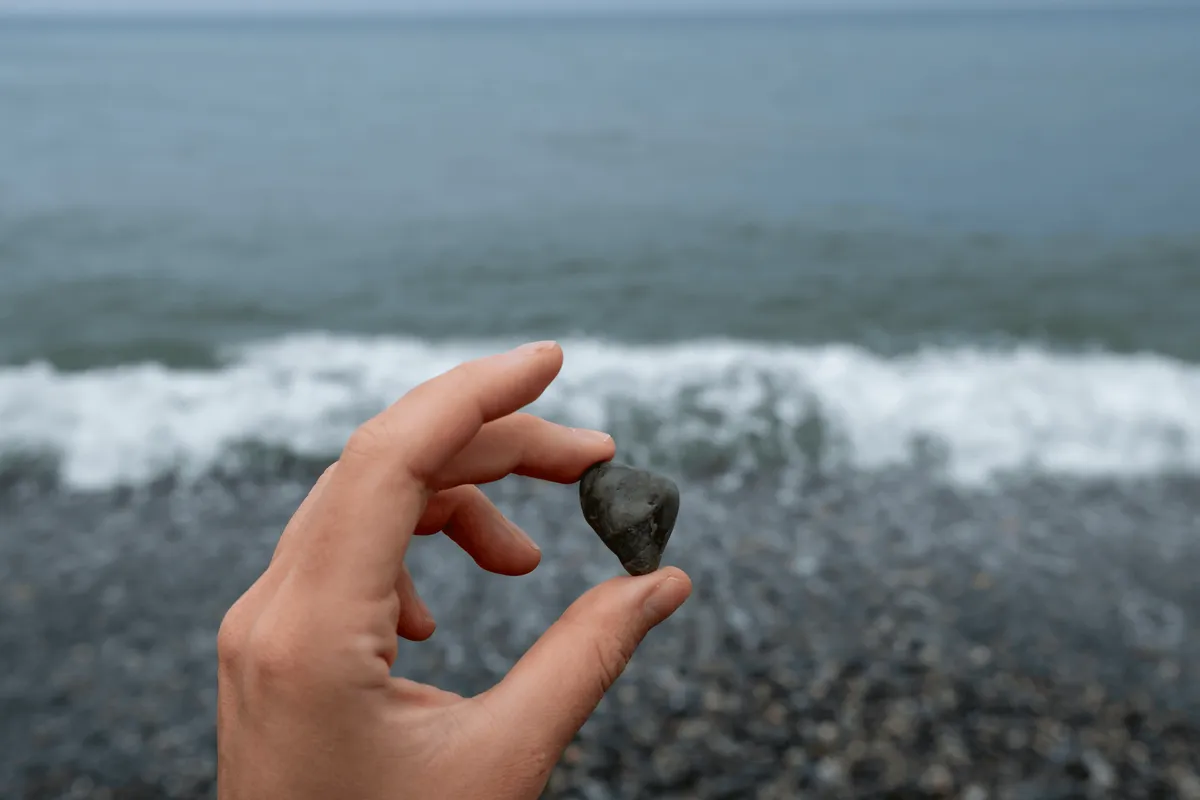
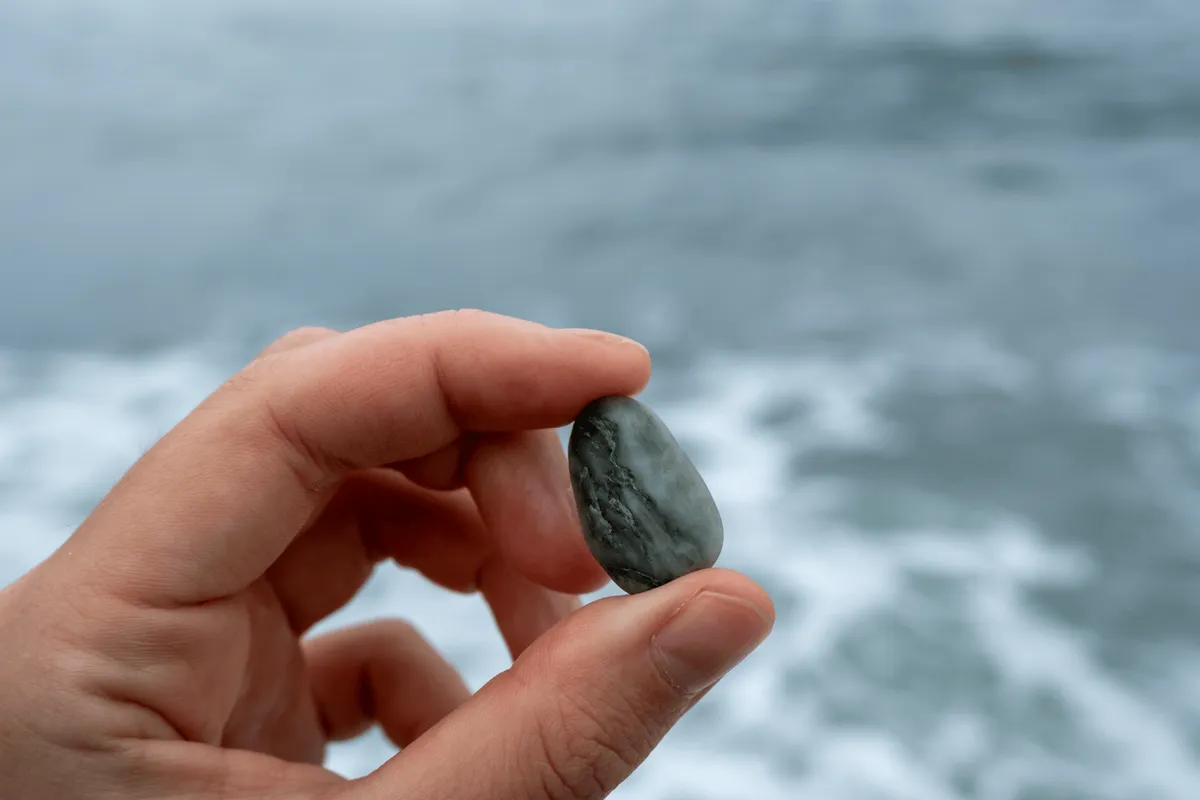
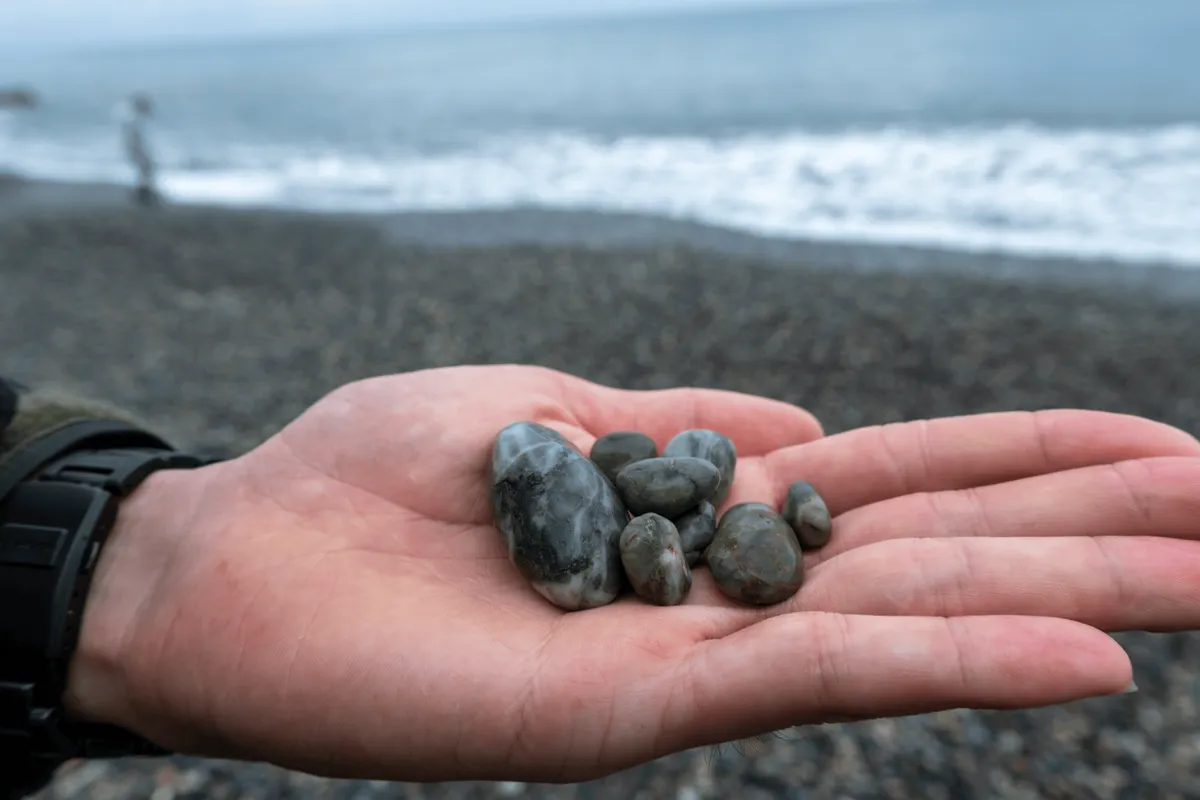
We left the beach with a handful of possibly jade stones. Of course, we joked that if you found one stone that looked like jade, it might actually be jade - but if you found like eight of them, the odds were that likely none of them were jade.
Fossa Magna Museum
Next up before we headed home was the Fossa Magna Museum. I’ll admit I didn’t have much expectations for a museum about rocks located in a rural town, but this one was pretty good!
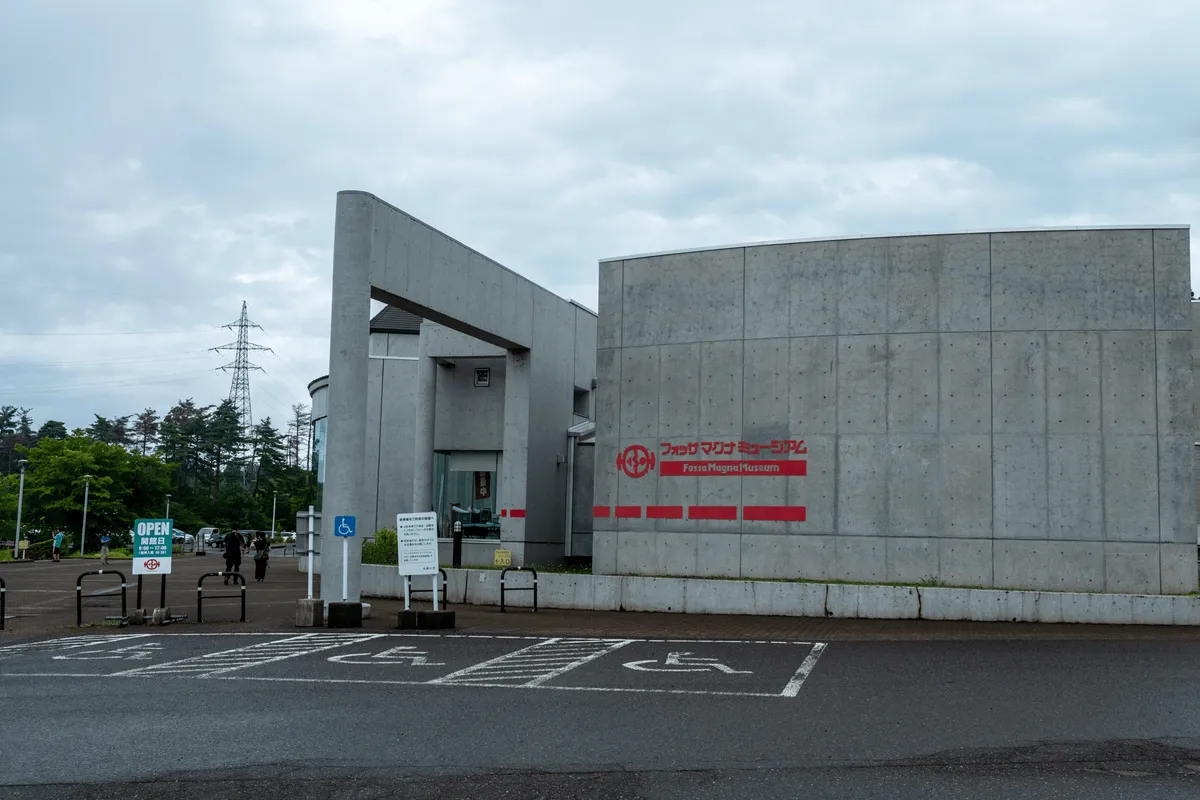
For one, they were really keen on jade. It turns out that Itoigawa is possibly the oldest place in the world where jade is known to have been mined (over 5000 years ago), and was also a major source of jade in Japan at the time. I’ll admit when I think of jade, my mind initially jumps to China, so it’s interesting that there was this sort of culture here in Japan too.
The reason why Japan is probably not known for its jade is that although it was mined in ancient times, for reasons unknown it stopped at some point, and it was only last century when Itoigawa was re-discovered as having been a source of jade centuries prior.
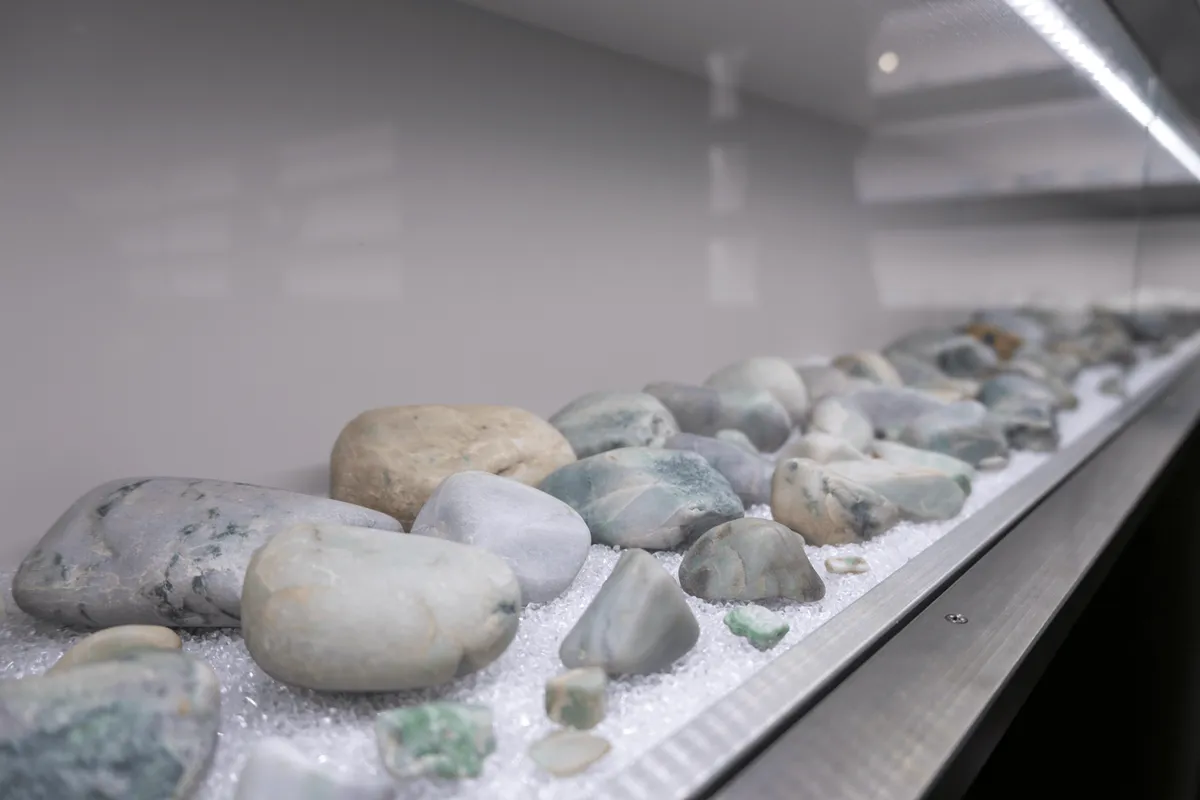
Entering the museum, the first exhibit is a series of jade collections from jade fanatics, who spent years trawling the beaches and digging up pieces of jade. One person was said to have collected 20kg worth of it, while another’s collection was sadly donated after they passed away, after being hit by a wave while searching for jade.
I tried to Google for the exact story, but then stumbled across a story from just recently on the 15th of August where another person died while jade hunting at the beach, so I suppose it’s a more dangerous hobby than you would think.
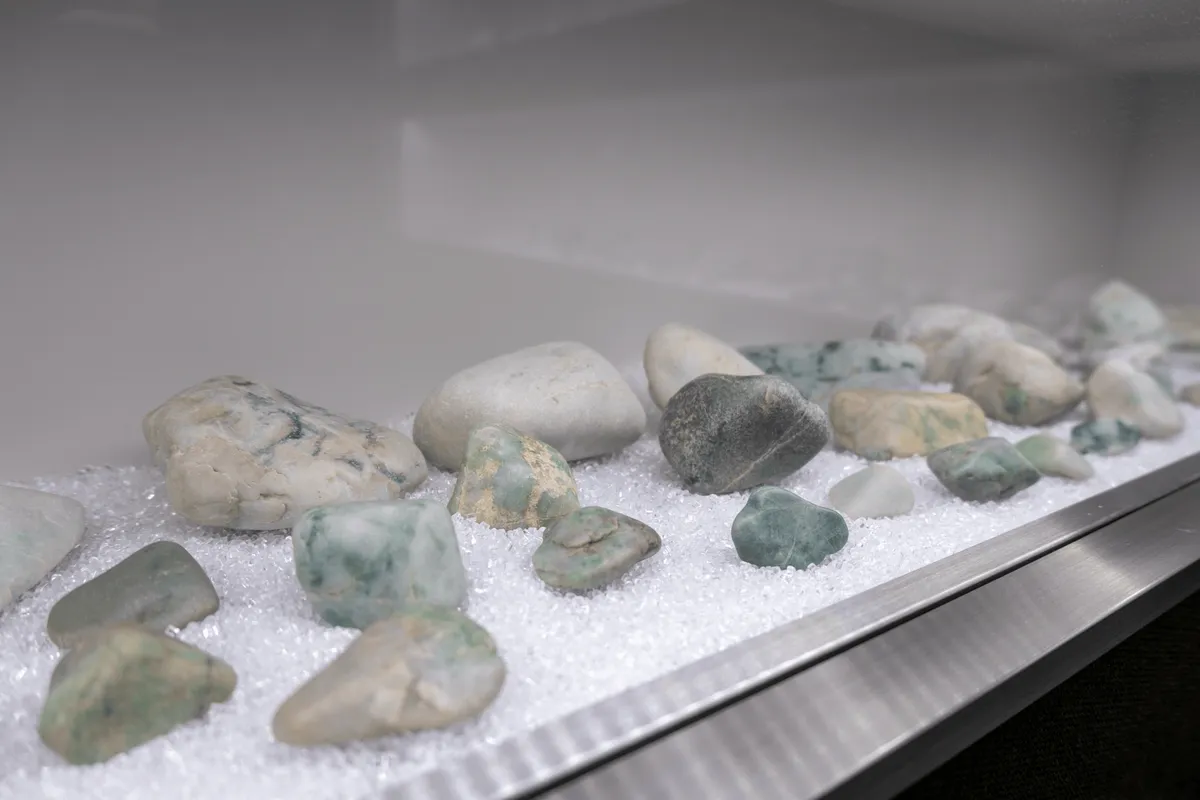
Anyway, what I found interesting about these stones is that they don’t really look like your typical jade. Although jade can be green, it can actually come in a number of colours, including white jade. I can’t imagine if I was looking on the beach, I would be able to distinguish this white jade from a regular stone. I suppose if you do it for years and years, you must start to get an eye for it.
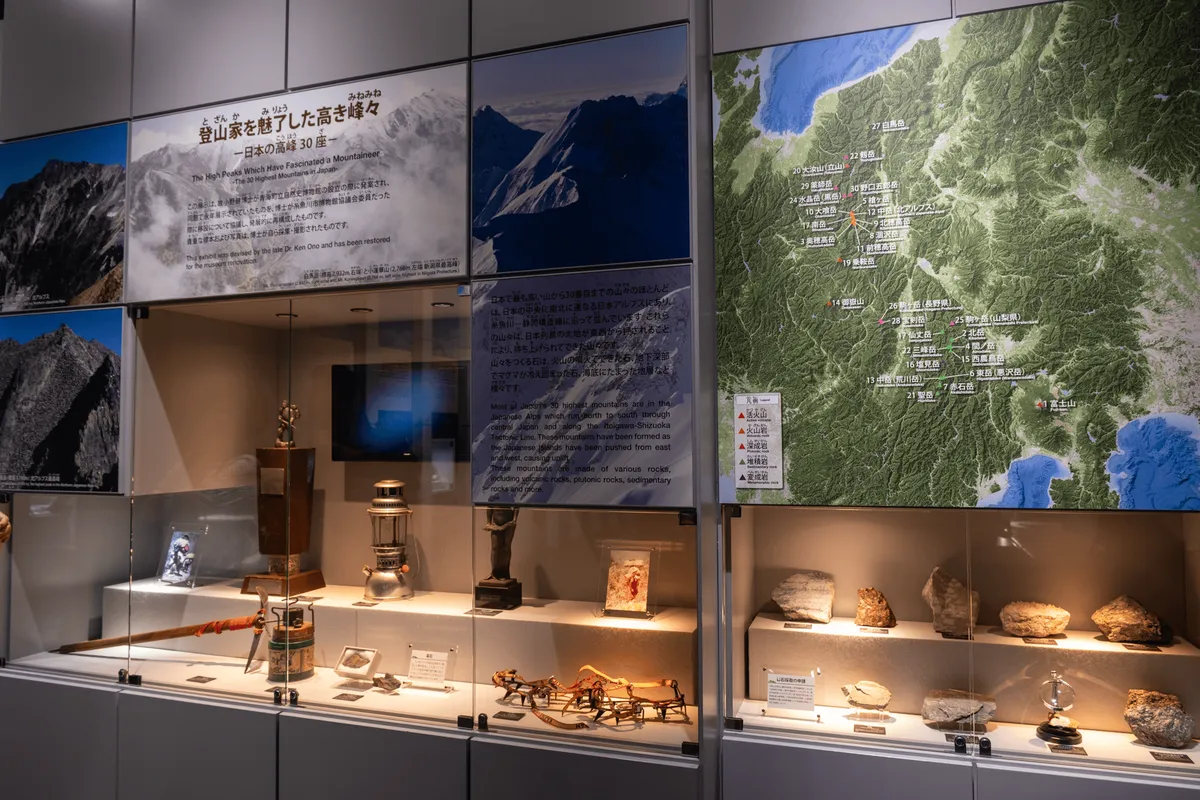
For those interested in mountains, the Fossa Magna museum takes its name from the Fossa Magna, which is the flat stretch of land in Japan that stretches from Itoigawa all the way to Shizuoka. You have the North Alps on the left of the Fossa, and the mountains of Niigata on the right.
The museum does a really good job of explaining what exactly it is, and I’ll admit I’ve half-forgotten the explanation already (oops) but it’s something about a tectonic plate’s fault line running along there, which caused all of the major mountains in that area (including Mt Fuji) to be pushed up and to form. The jade and other unique rocks you can find in the area are thanks to this activity as well.
It was a German man named Naumann who named and discovered this. Obviously I had never heard of him, but my partner recognised his name from Naumann’s elephant. It turns out it’s the same scientist who discovered elephant bones in Japan, which I assume is something either you learn in school in Japan or is just common knowledge for Japanese people.
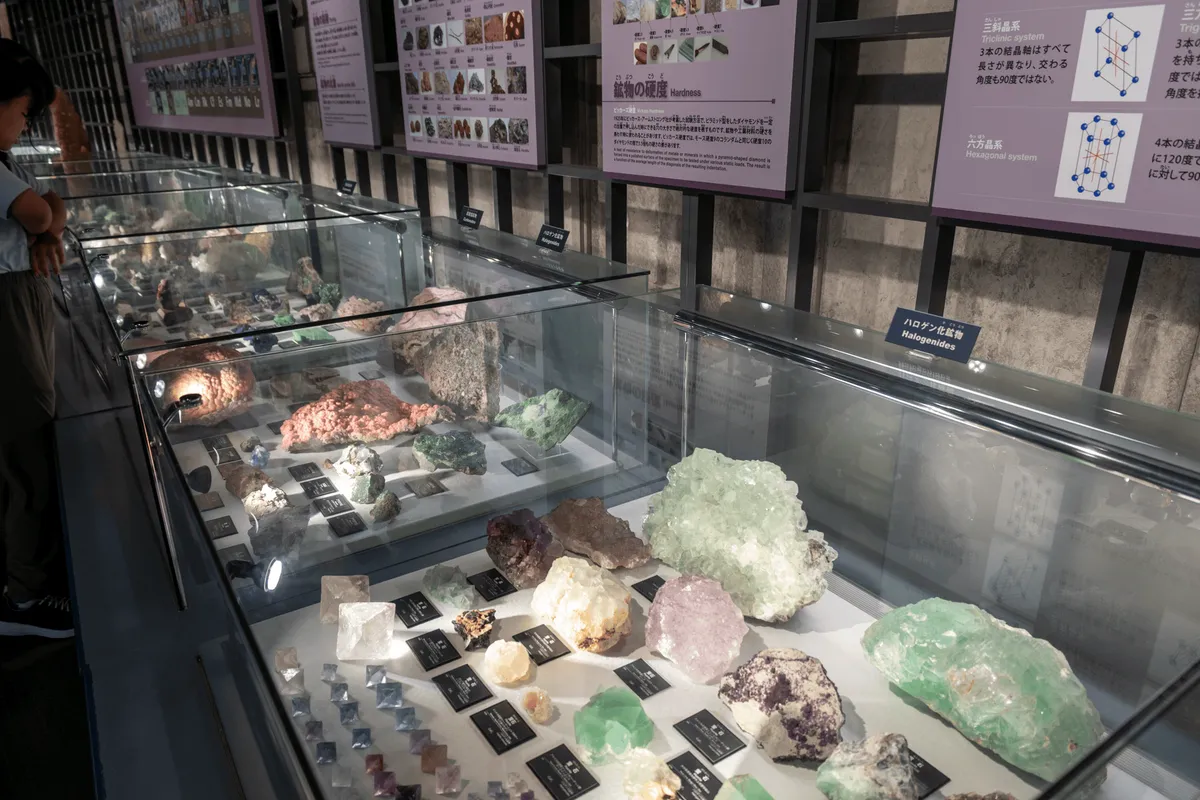
As we were about to leave the museum, there were two museum staff (or volunteers?) sitting near the entrance who would take a look at your rocks for free, and tell you what they were! We dashed back to the car to grab our newly scavenged stones, with the hopes of having discovered some jade.
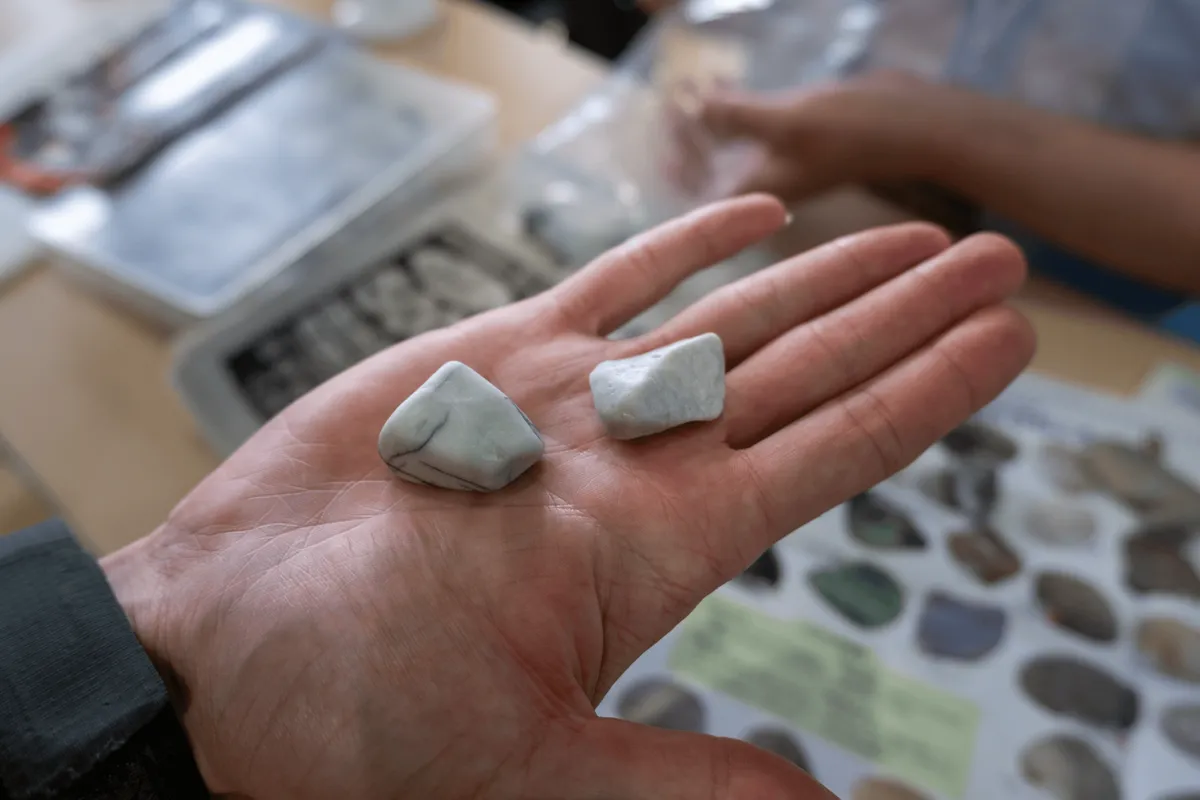
As it turned out, we had picked up a couple of “kitsune-ishi” or “fox rocks” - named this way because they quite a few people get fooled by these stones, thinking they are jade. They have some green lines running through them, which makes them look quite jade-like when you pick them up at the beach.
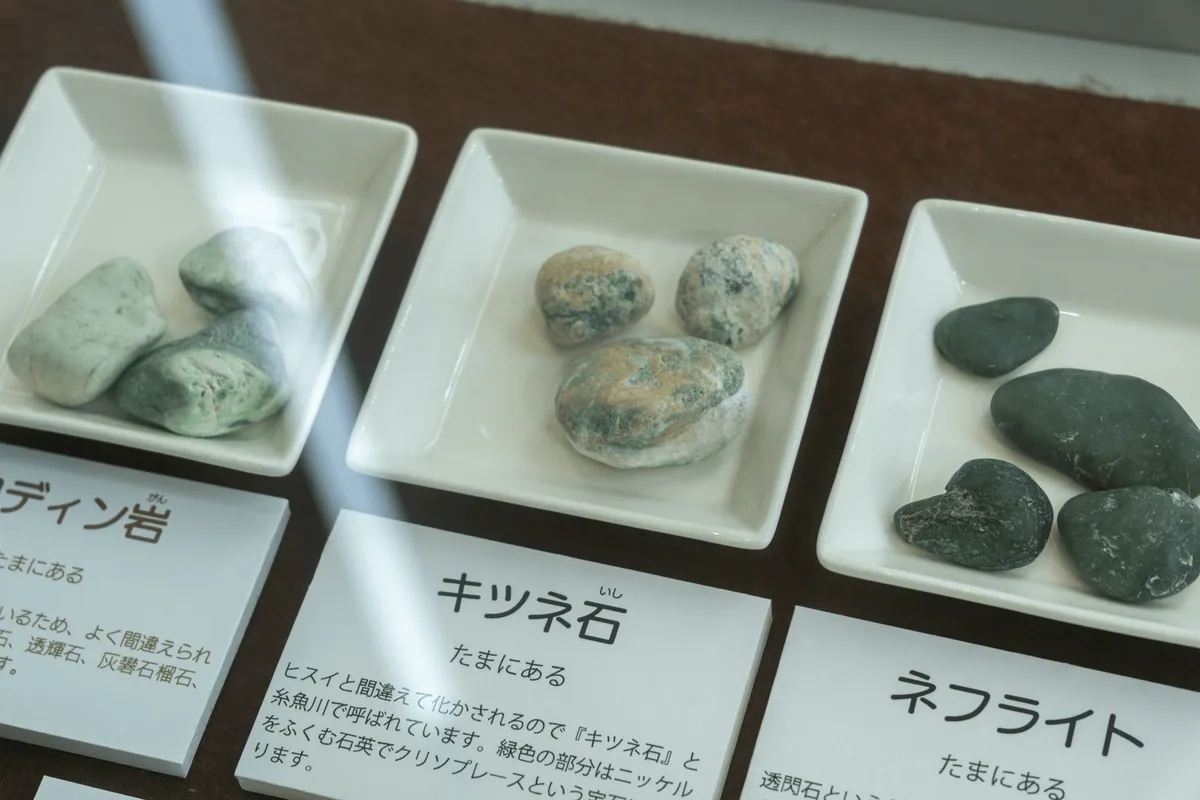
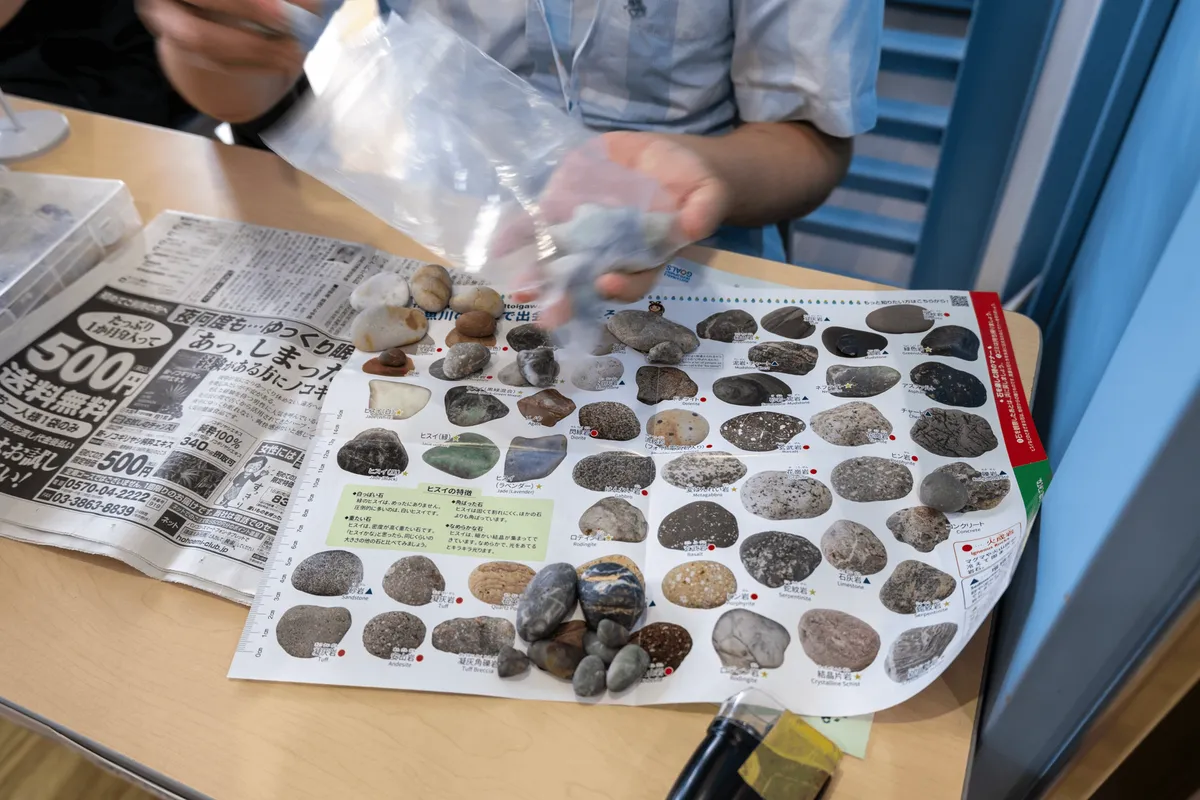
And sadly - none of our stones were jade! Most of the rocks we picked up were of the more ordinary variety. We did have one really round rock, and the rock expert had some really fancy explanation about it coming from the deserts of China, and then crossing the sea and ending up on the beach. Actually not sure how you would be able to figure something like that out from staring at a rock, so you can’t help but be impressed by his knowledge.
The family at the table next to us had managed to pick up one small piece of white jade, so it is technically possible to find them at the beach. But I suppose we were not in luck today.
The rock expert explained to us that a lot of rocks can look quite shiny and special while they are wet, but an easier way to tell the difference is that once normal rocks dry, they can get quite dull-looking. It’s only the stones that continue to look shiny after they are dry that are possibly jade.
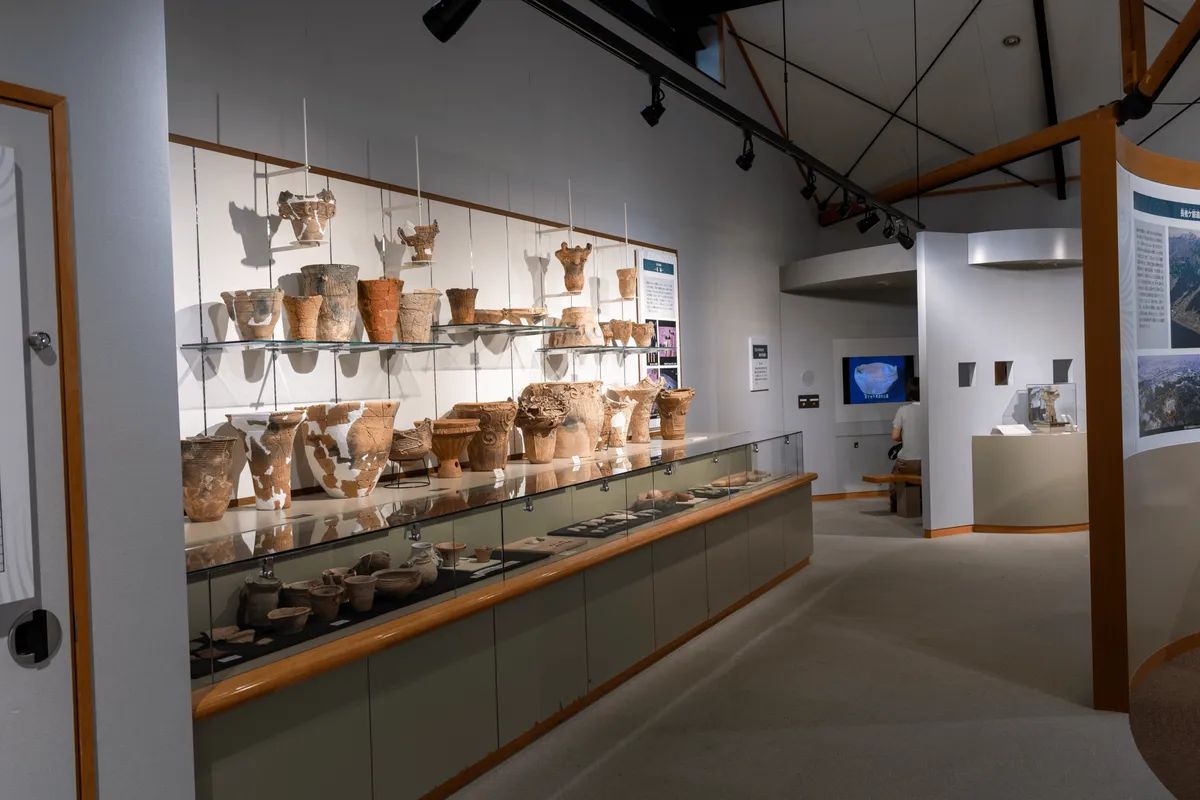
After the jade museum, we also stopped off at the Chojagahara Archaeological Museum right next door. This one covered some pottery discoveries that had been made at a Jomon-era village 3000 - 5000 years ago. This one wasn’t quite as fancy as the Fossa Magna museum, but it’s only an extra 100 yen to visit if you buy tickets to both, so it’s not bad.
Lunch at the totoya-no-hanare
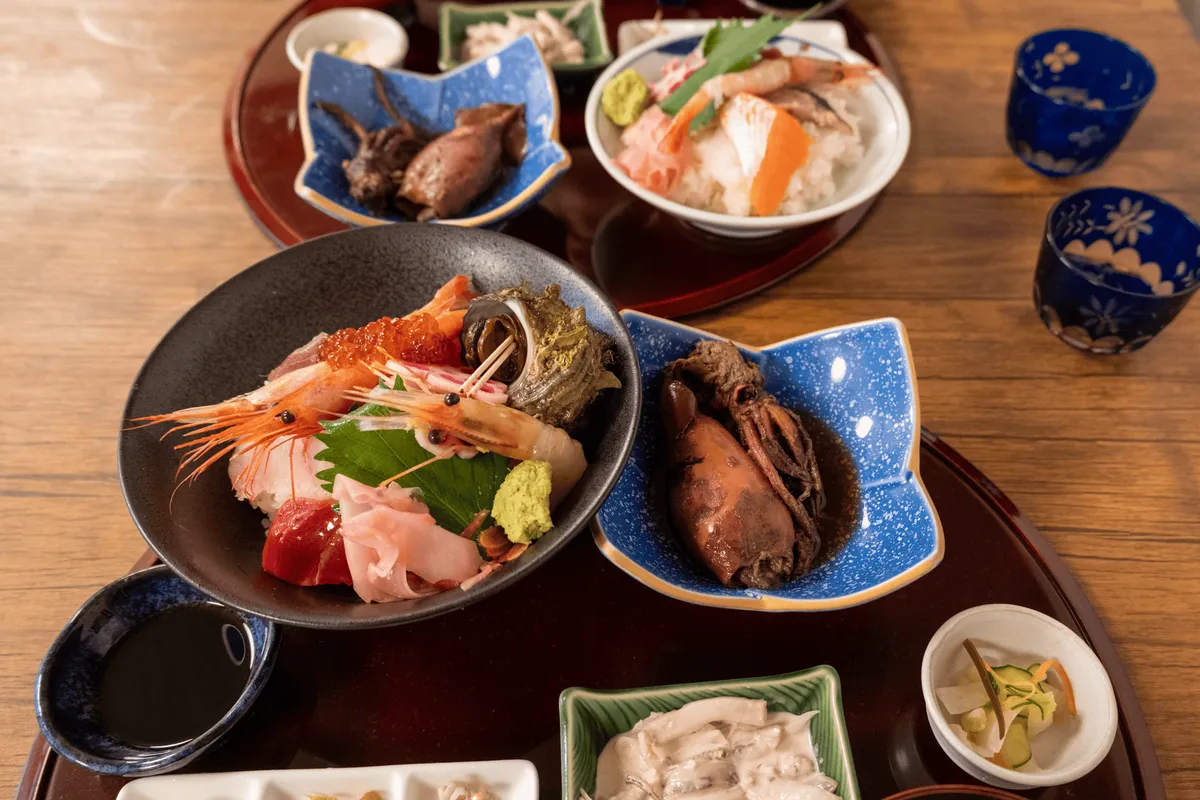
Finally, we headed back to Itoigawa station for lunch. If you’re driving, the restaurants around the station don’t tend to have parking so I would recommend parking at the “Jade Kingdom” parking lot which is next to the station and very cheap (100 yen per 30 minutes). There’s a number of eateries in the area, but we settled on one called Totoya-no-hanare (ととやのはなれ).
This one serves seafood - and it was such good value for money. We got the “Totoya-no-kaisendon” - they have normal and large sizes (1600 yen and 2500 yen). Usually I’d assume the size difference only refers to the quantity of rice, but in this case you get a lot more seafood piled up on top as well. I only got the standard but my partner was nice enough to give me some ikura (my fave) from his large-sized one too.
Princess Nunakawa
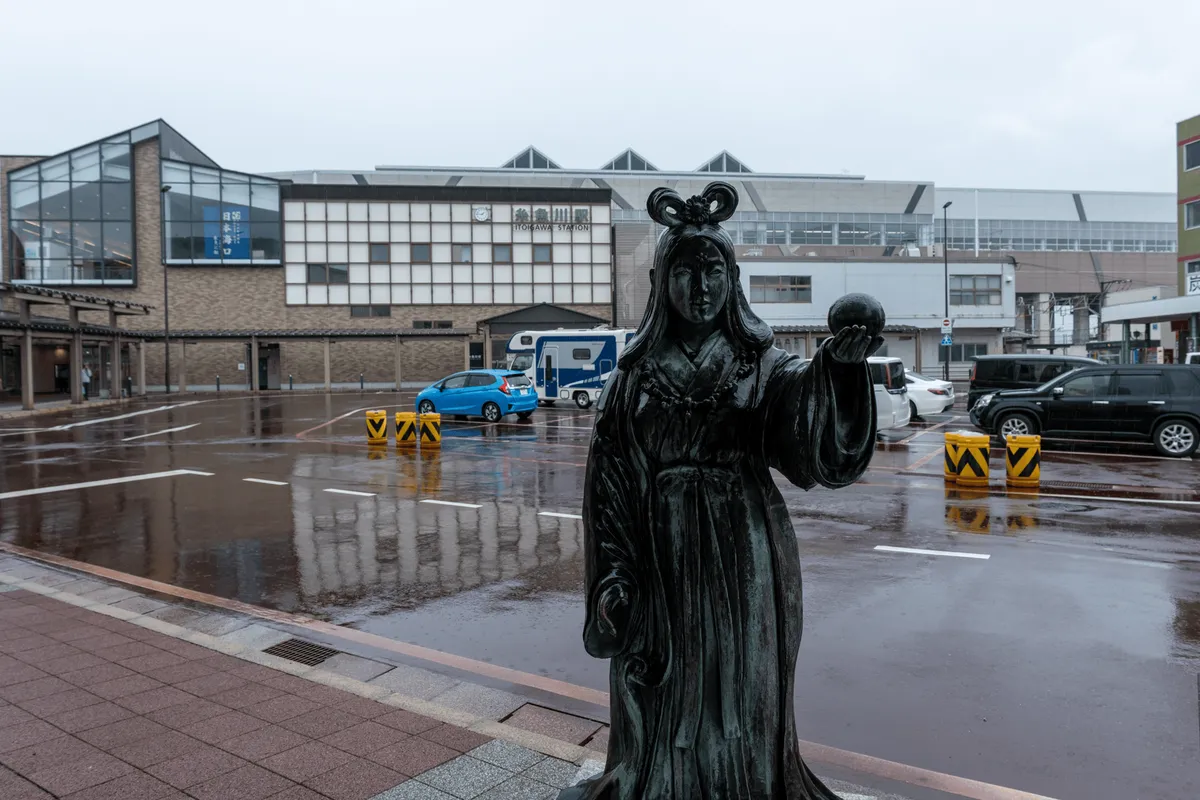
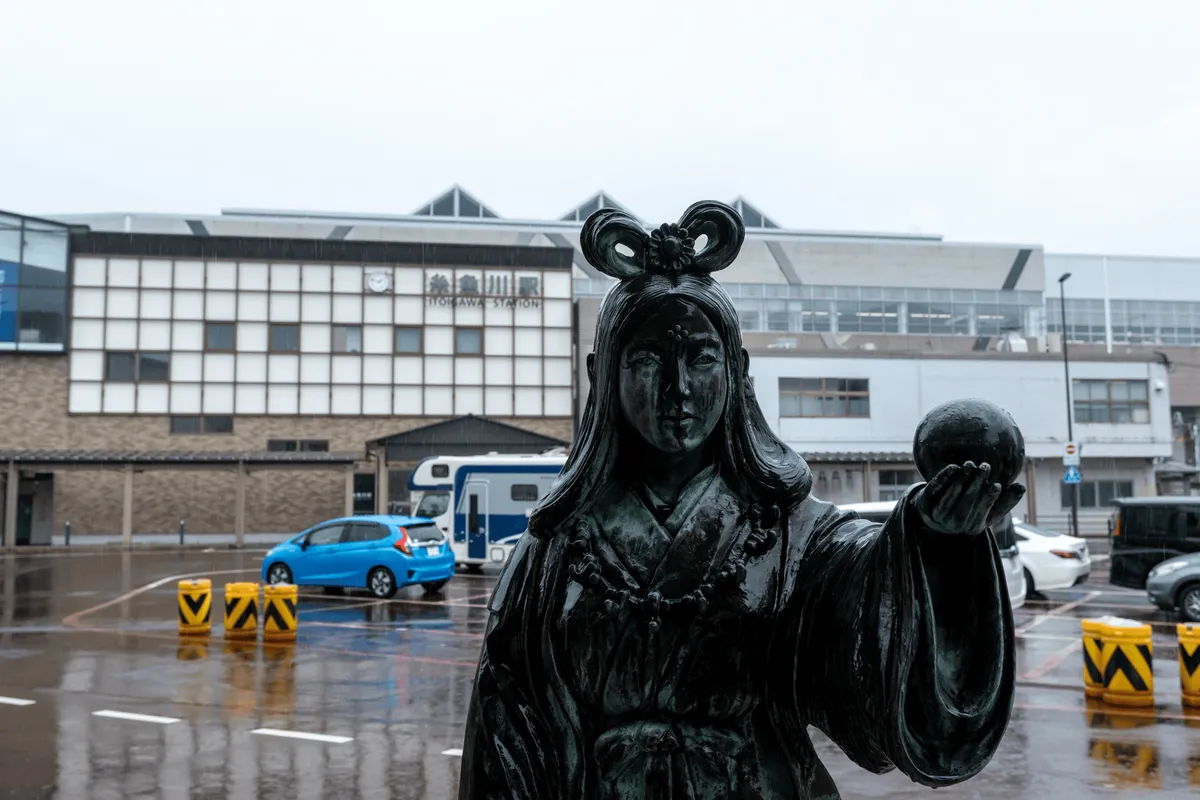
Finally, we said hello to the statue of Princess Nunakawa outside the station. She features in legends as a ruler of this area in ancient times, and of course wears a jade necklace (I suppose the big ball she holds might be a jade as well).
As a final side note, we visited the famous Izumo Taisha shrine in Shimane prefecture (north of Hiroshima) last year after climbing Mt Daisen. As a foreigner I’d never heard of it - I feel like Shimane in itself is not a popular tourist destination, although it’s very well-known among Japanese and is possibly the oldest Shinto shrine in all of Japan.
Anyway, there was a bit of an unexpected connection here, as the god Ōkuninushi who is enshrined at the Izumo Taisha, was said to have travelled by sea all the way up to Itoigawa to woo Princess Nunakawa after hearing of her beauty. The Fossa Magna Museum made it sound quite romantic, although looking on Wikipedia the guy was already married, and was cheating on his wife with multiple women. I suppose Gods live by different rules!
I don’t make much of an effort to learn about Japanese history I will admit, but having this hiking hobby has given me so many opportunities to travel around Japan and learn random facts about its history along the way, so I can’t help but be grateful. And of course, to my partner too - if I hike alone I just head straight back home after a hike - so it’s nice to have a travelling buddy so that I can take things a bit slower and enjoy the scenery.
For this Niigata roadtrip I originally had plans to climb more than just Mt Amakazari, but those plans got derailed by the rain. But even without the hiking it turned out to be a pretty fun weekend trip nonethless.
Leave a comment