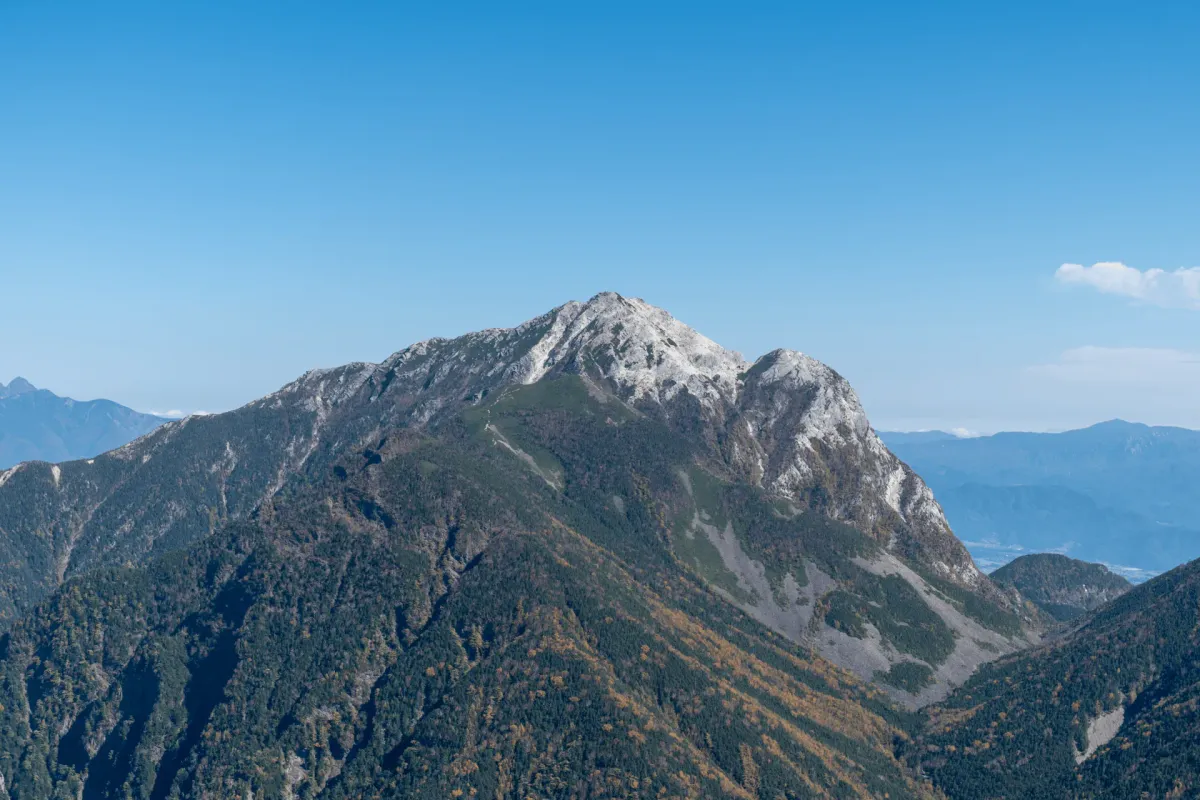
The Japanese Alps is a long mountain range that spans across 6 prefectures in Japan - from Niigata down to Shizuoka - and contain most of the highest-elevation mountains in Japan at around 3000m. Thanks to the high elevation, many Japanese hikers will flock here in the summer months to escape the heat.
The Alps are so big that they are further broken down into three ranges.
The Northern Alps (北アルプス)
The Northern or “Kita” Alps I would say is the most popular of the three ranges, and is home to a variety of beginner-level to advanced multi-day hikes. Conveniently, you can hop on highway buses from Tokyo that will take you directly to the trailheads in about 4 - 5 hours. If you don’t mind sleeping on a bus, you can get on a bus the night before, and then arrive at the trailhead early in the morning to begin your hike, like I did with Mt Washiba and Mt Suisho.
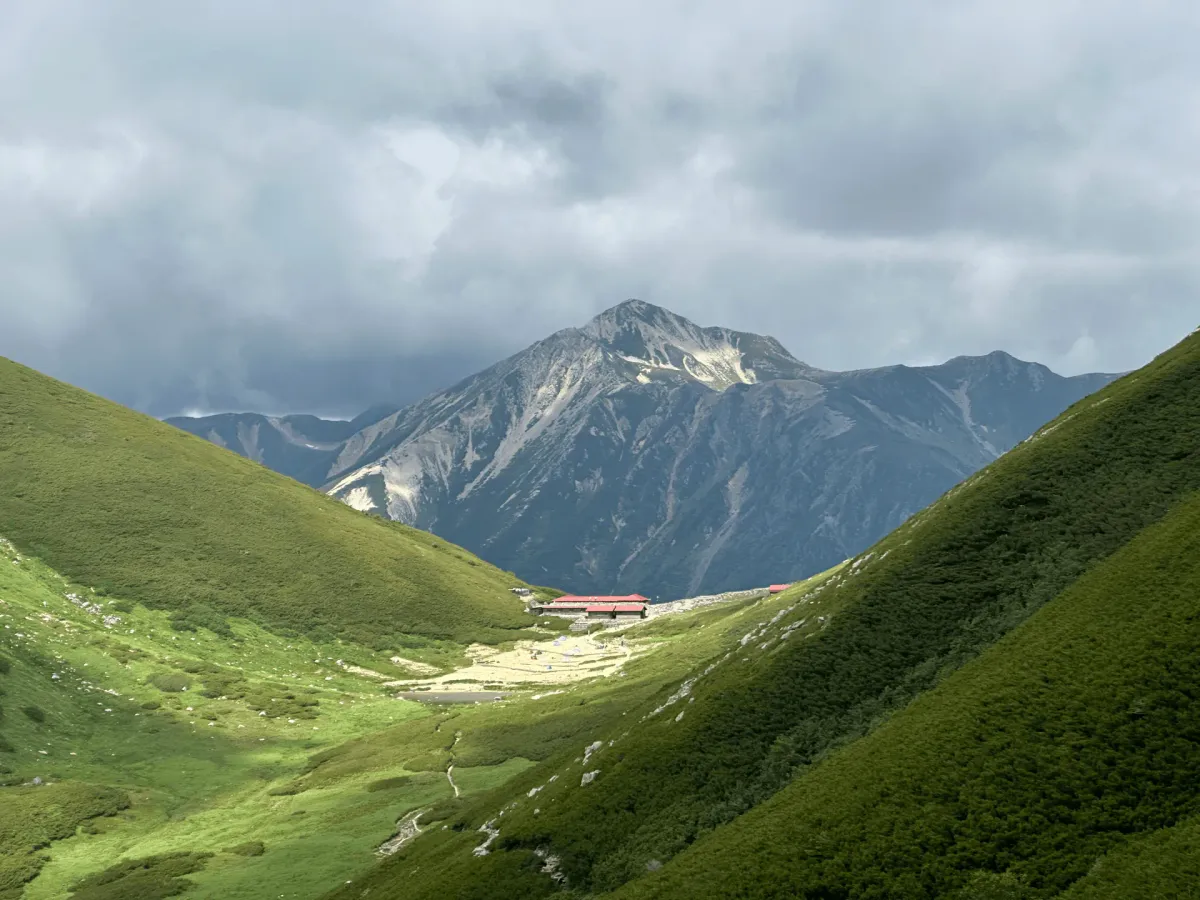
One of the main access points of the Northern Alps is a valley known as Kamikochi, which is a tourist destination in its own right. Kamikochi has a campground as well so it can make a good option if you want to do a day hike from there to one of the nearby mountains like Mt Yake.
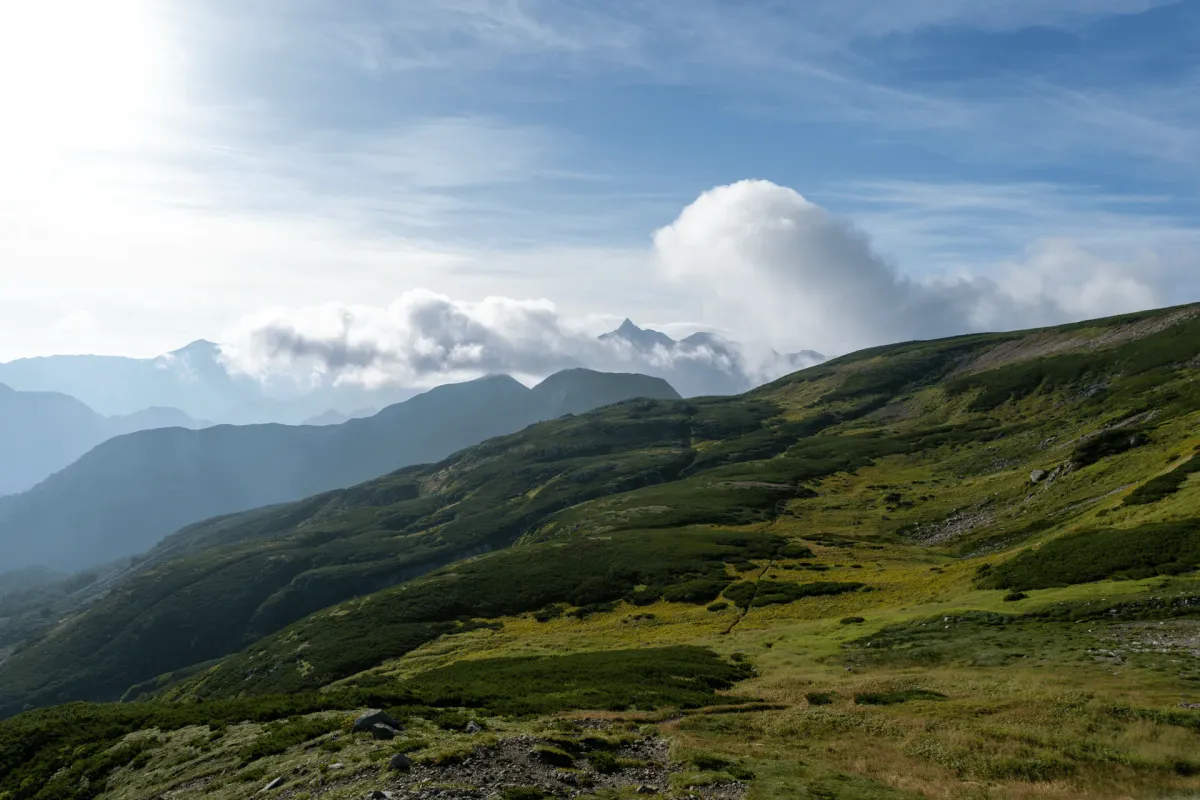
From Kamikochi, you can hike up to the popular Mt Yari, also known as the “Matterhorn of the Japanese Alps” for its very iconic pointy peak.
If you’re looking for more beginner-friendly options, the Happo Pond in Hakuba is a great easy hike, along with Mt Norikura and Mt Tateyama.
The Central Alps (中央アルプス)
The Central or “Chuo” Alps is notably home to Mt Kiso-komagatake. Mt Kiso-komagatake is a gorgeous mountain which thanks to its ropeway can be done as an easy 3-hour hike. So it’s a great hike for the scenery you get relative to the effort you have to put in (great for beginners!)
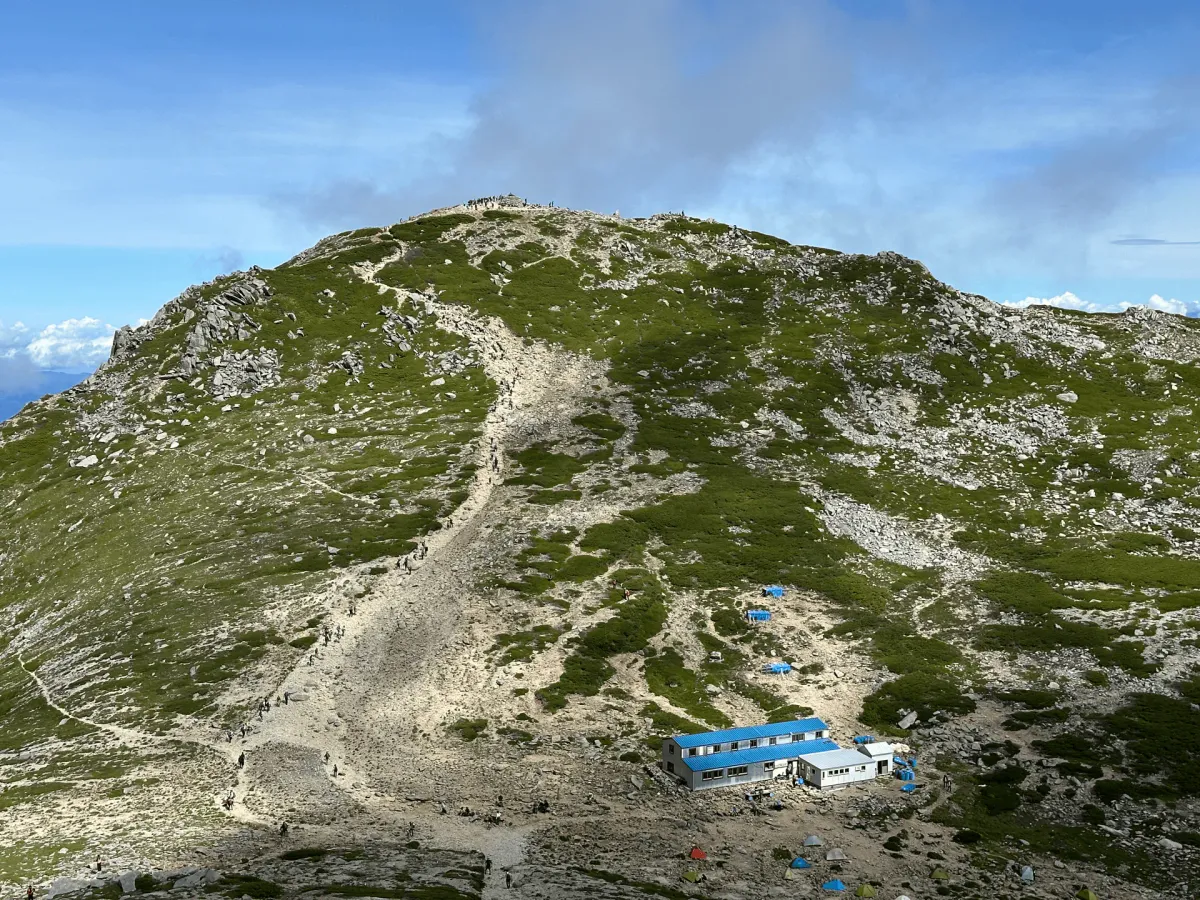
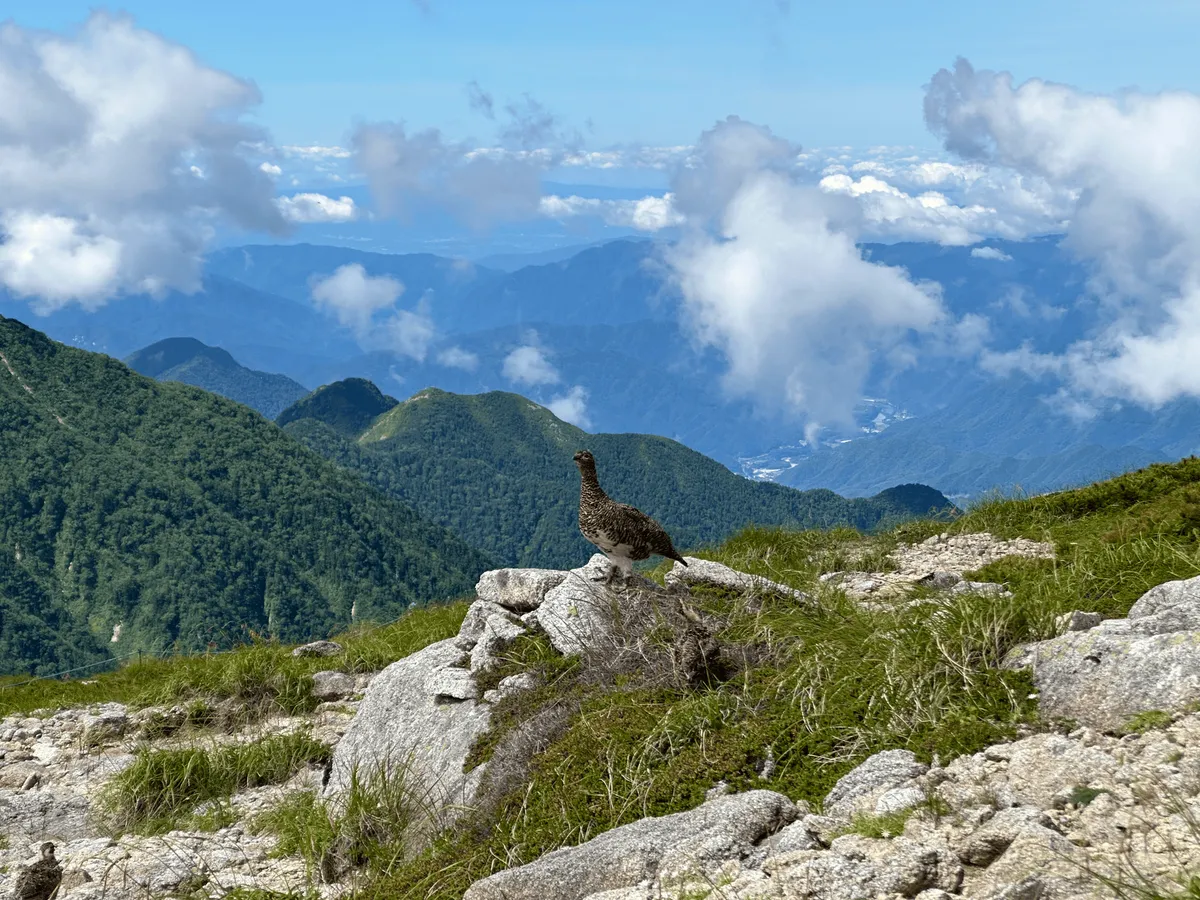
It’s also home to a small breeding program for rock ptarmigan (or “raichou”) which only live in the high-elevation mountains of the Alps. So if you time your hike right, the chances of spotting one can be pretty high.
The Southern Alps (南アルプス)
The Southern or “Minami” Alps are home to the second and third-highest peaks in Japan - Mt Kita-dake and Mt Aino. Generally speaking, the hikes in this area tend to be a bit harder and take a bit longer to access via public transport. Not to mention, there are no ropeways on any of the mountains in this area to make your life easier, so generally expect to spend an entire day hiking (or more) on any of the major peaks in the area.
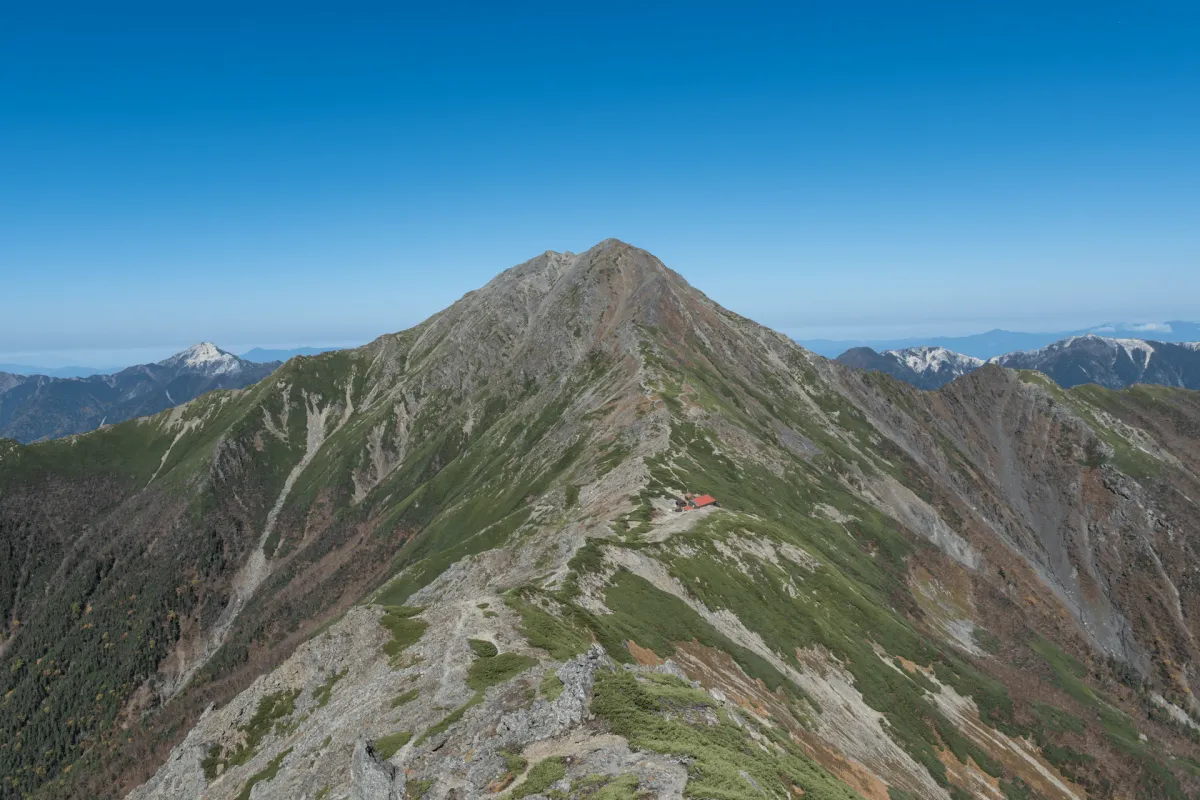
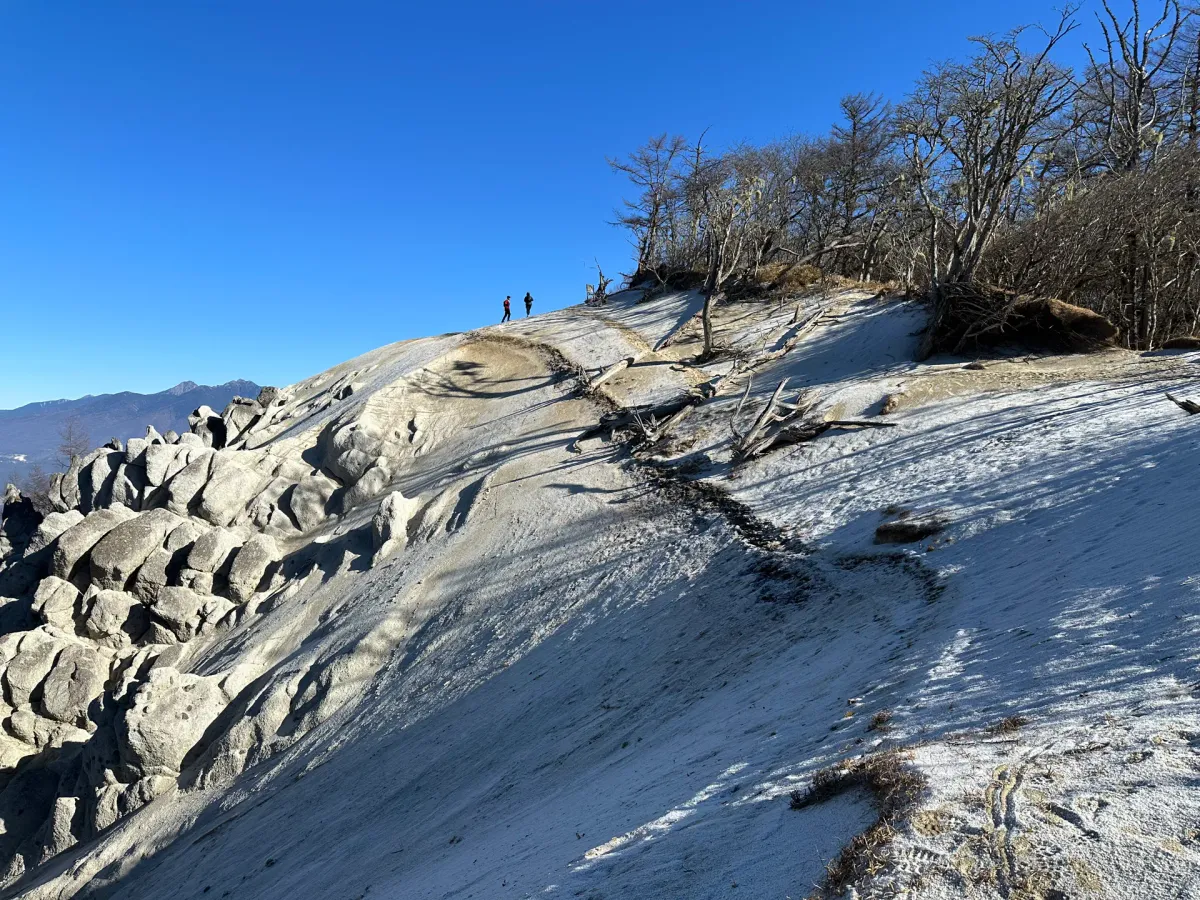
If you’re looking for day trip options, Mt Senjo and Mt Kaikoma are the two mountains that have a more reasonable distance and can be a good introduction to the area. Mt Hinata is also another beginner-friendly day hike option that can be hiked as late as December, thanks to its relatively low elevation of 1660m.
Staying at mountain huts and camping in the Japanese Alps
All of the major peaks in the Alps have mountain huts, making it easy to do hut-to-hut hikes. Your general bottleneck with booking huts may be the language barrier, but many of the huts these days have online bookings which will make your life easier. The other thing to keep in mind is that some huts can be quite popular, so for your best chances of success, I would recommend planning your hike for for the middle of the week.
Camping is also another great option, if you don’t mind lugging up your heavy pack with a tent all the way up to the peak. Most huts generally don’t require bookings for tents, making planning a bit more flexible.
When can you hike in the Japanese Alps?
It depends on the elevation of the mountain, but generally speaking, you can hike in the Alps between mid-July and early to mid-October. The downside to summer is that the weather can be quite variable, with August and September being peak typhoon season, so I would try and give yourself plenty of flexibility in your plans to avoid the chance of your hike being rained out.
You can also try for a hike in October, which gives you some much-needed cooler temperatures. However the timing of the first snowfall of the year can very, so this may impact your chances of being able to do a snow-free hike.
My hikes in the Japanese Alps
 hikes
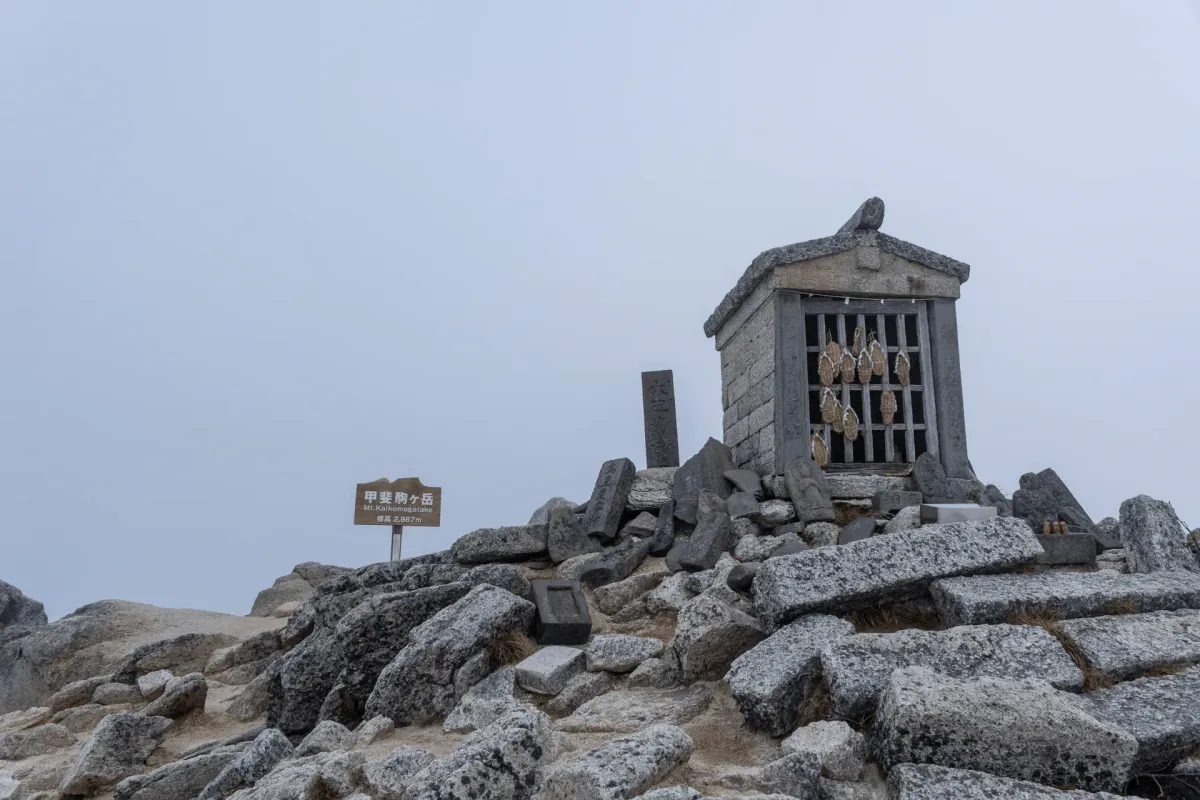
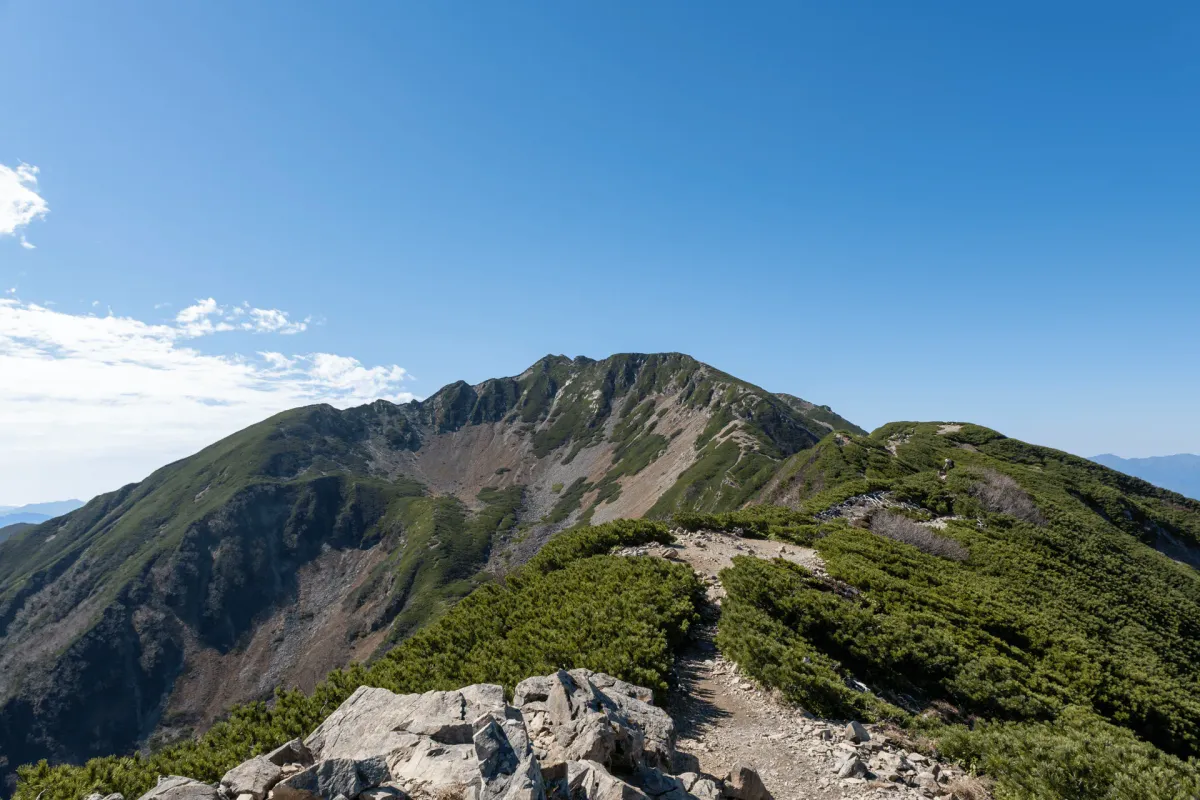
hikesMt Kaikoma: Southern Alps day hike
Nagano / Yamanashi·2967mOne of Japan's Hundred Famous Mountains located in the Southern Alps. Features a unique sandy summit and can be done as a day hike or as part of a 2-day trip with Mt Senjo.
 hikes
hikesMt Senjo: hiking the Queen of the Southern Alps
Nagano / Yamanashi·3033mKnown as the Queen of the Southern Alps. With a round-trip course time of 7 hours, it's one of the more accessible mountains in the Southern Alps. Can be done as a day hike or as an overnight hike with a stay at a mountain hut.
- hikes
Mt Kita and Mt Aino: hiking Japan's second and third tallest mountains
Yamanashi·3193mJapan's second tallest mountain, located in the Southern Alps. Mt Kita can be climbed as a 10-hour day hike, or as a 2-day hike with an overnight stay at a mountain hut. Optionally, can be climbed together with the neighbouring Mt Aino.
- hikes
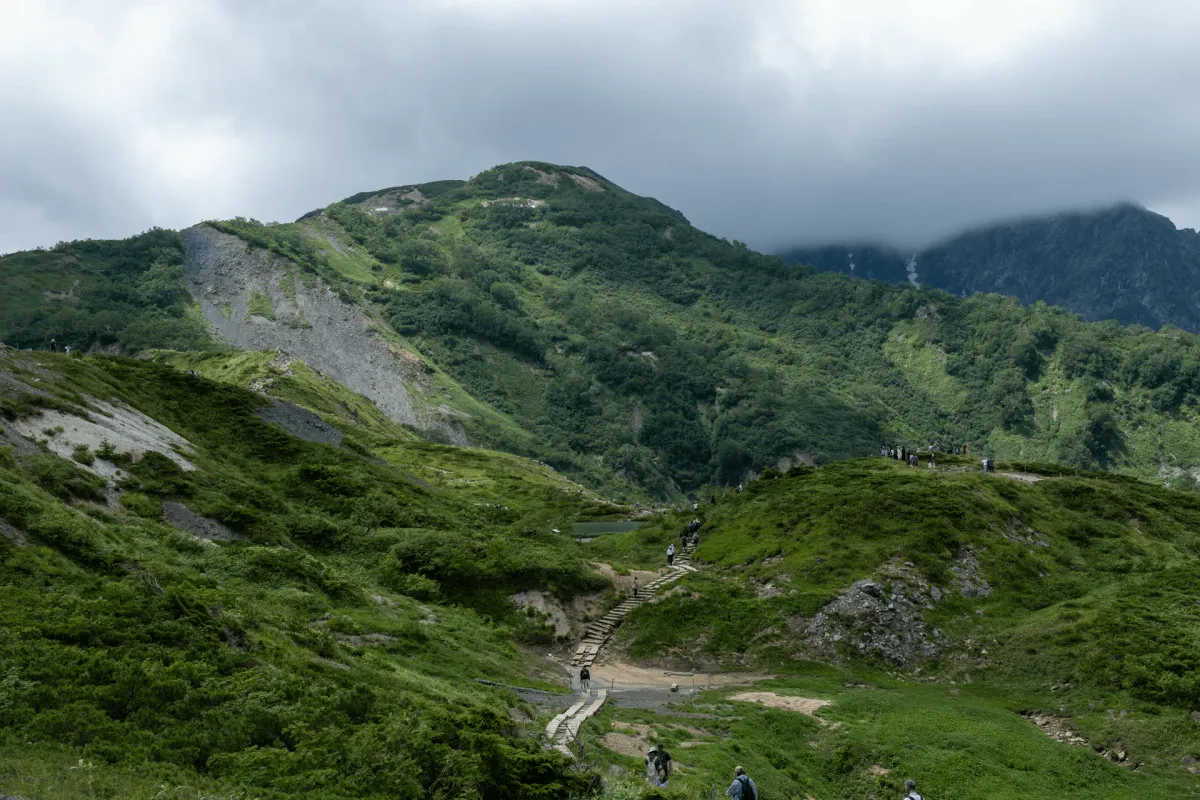
Mt Kurobegoro and Mt Yari: North Alps Nishi-Ginza Diamond course
Gifu / Nagano·3180mA 3-day hut-to-hut hike through the North Alps, climbing Mt Kurobegoro and Mt Yari via the Nishi-Ginza Diamond course.
 hikes
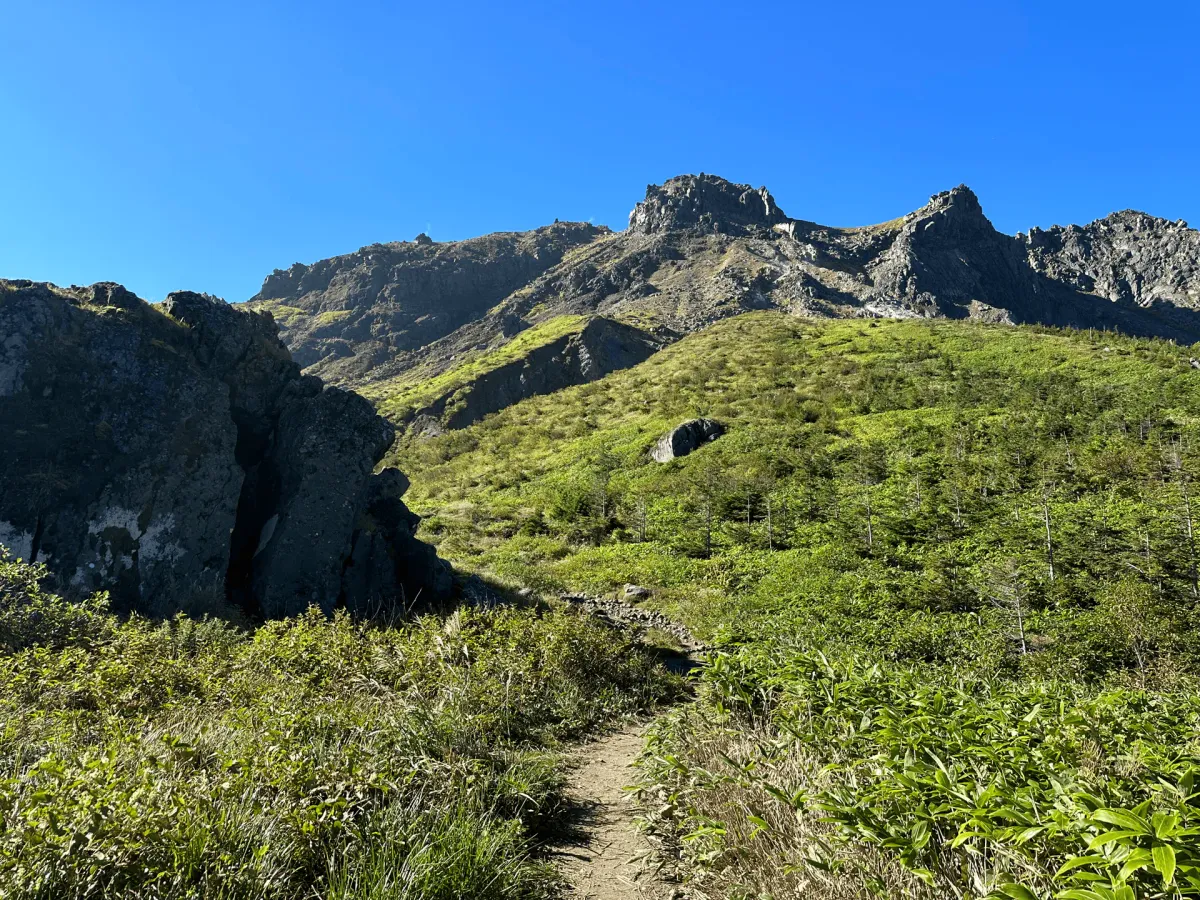
hikesHappo Pond: a beginner-friendly hike in Hakuba
Nagano·2060mA beginner-friendly 2-3 hour hike to a mirror lake 2000m high in the mountains. Accessible via gondola and chairlift.
 hikes
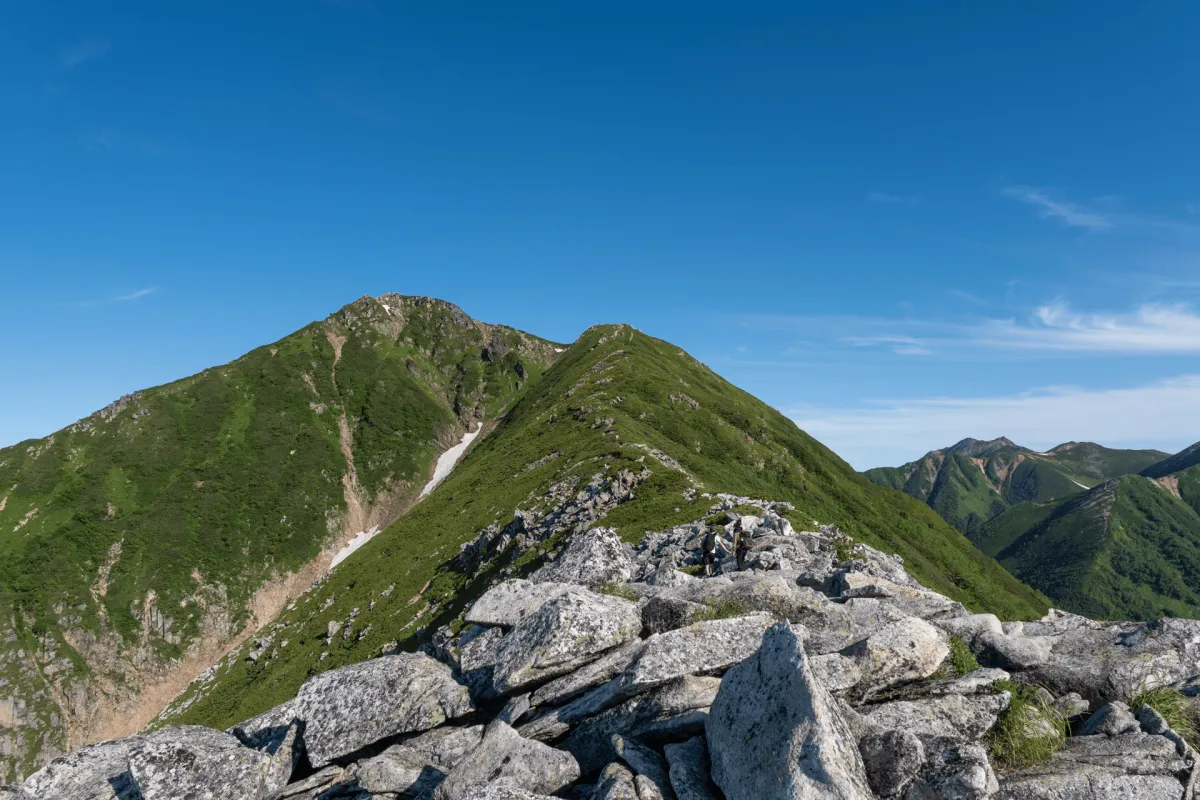
hikesMt Yake: day hike from Kamikochi
Gifu / Nagano·2455mA day hike from the popular Kamikochi. The 13km course via Kamikochi takes 7.5 hours, or there's a shorter 5-hour course from Shinnaka-no-yu trailhead.
 hikes
hikesMt Jonen (常念岳)
Nagano·2857mOne of Japan's Hundred Famous Mountains in the North Alps, relatively accessible with a 4-hour drive from Tokyo. Can be done as a long day hike (10-11 hours) or overnight at the mountain hut.
- hikes
Mt Washiba and Mt Suisho: a 3-day hut-to-hut hike in the Northern Alps
Toyama·2924mPart of the Northern Alps. Can be combined with Mt Suisho as part of a 3 (or 4) day hike.
- hikes
Mt Hinata: the Southern Alps' "beach in the sky"
Yamanashi·1660mOne of the most accessible mountains in the Southern Alps, famous for its sandy summit
 hikes
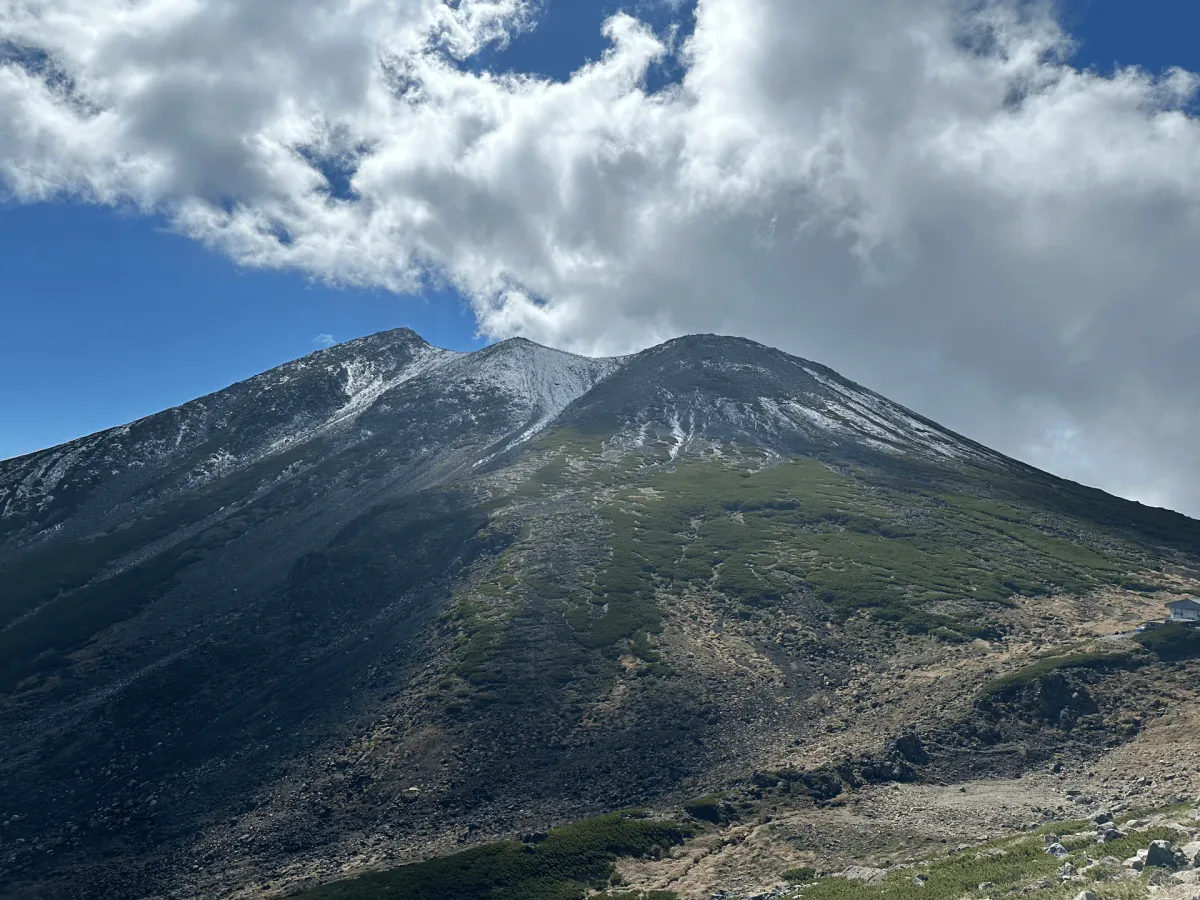
hikesMt Norikura (乗鞍岳)
Gifu / Nagano·3026mThe easiest mountain in the Northern Alps, and home of the highest bus stop in Japan. Can pair with Mt Ontake or Kamikochi / Mt Yake for a weekend trip.
- hikes
Mt Kisokoma-gatake (木曽駒ヶ岳)
Nagano·2956mA gorgeous introduction to the Chuo Alps, with the highest ropeway station in Japan. The closest you can get 3000m on a day trip hike from Tokyo.
Leave a comment