100 Famous Japanese Mountains
The 100 Famous Japanese Mountains or "hyakumeizan" (日本百名山) are a list of 100 mountains picked by mountaineer Kyuya Fukada. These hundred mountains are very popular among Japanese hikers, and generally have good public transport access and well-maintained trails. I wouldn't say that these are necessarily the "100 best mountains in Japan" but for any hiker living in Japan, this is the list to check off. I've also included a map, as well as some filter options below if there's a specific type of hike you're looking for.
Like many other hikers in Japan, it's my goal to compelete the hyakumeizan. To-date I've climbed 70 of them! This page is still a work-in-progress, as it mostly contains the mountains I've already climbed. I'd love to hear from you if you have any questions or feedback via the comments section at the bottom of this page.
Currently showing 61 posts
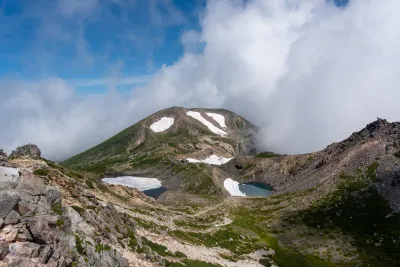
Mt Haku (白山)
Ishikawa / Gifu·2702mA lovely long day hike with alpine views, with option to turn into an overnight hike at the mountain hut near the summit.
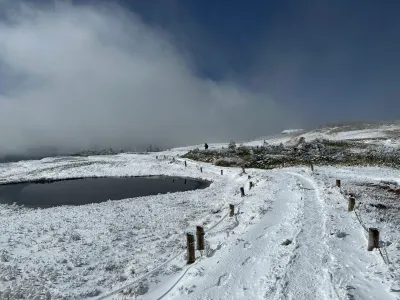
Mt Naeba (苗場山)
Nagano / Niigata·2145mA guide to hiking Mt Naeba, a Hundred Famous Mountain on the Nagano–Niigata border, known for the beautiful marshland near its summit.
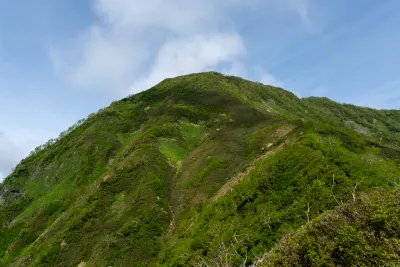
Mt Takatsuma (高妻山)
Nagano·2353mA 9-hour day hike in Niigata's Myoko-Togakushi Renzan National Park.
 yamanashi
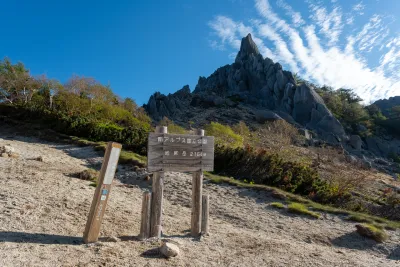
Mt Houou (鳳凰山)
Yamanashi·2841mMt Houou is one of the major peaks in the Southern Alps of Japan. I chose to take it via the Dondoko-sawa course as an overnight tent hike.
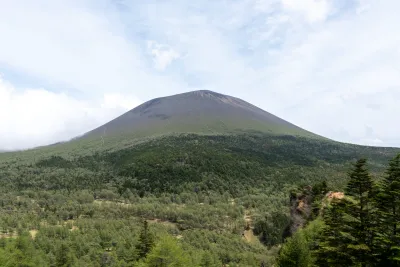
Mt Asama (浅間山)
Gunma / Nagano·2568mA guide to hiking Mt Asama, an active volcano near Karuizawa. With its alert level reduced to level 1, you can now climb it again! I took the Takamine Kogen route.
 japanese alps
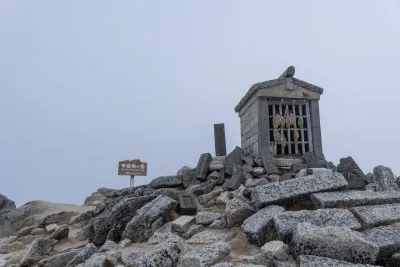
Mt Kaikoma (甲斐駒ヶ岳)
Nagano / Yamanashi·2967mOne of Japan's Hundred Famous Mountains located in the Southern Alps. Features a unique sandy summit and can be done as a day hike or as part of a 2-day trip with Mt Senjo.
 japanese alps
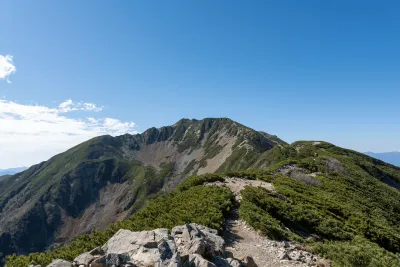
Mt Senjo (仙丈ヶ岳)
Nagano / Yamanashi·3033mKnown as the Queen of the Southern Alps. With a round-trip course time of 7 hours, it's one of the more accessible mountains in the Southern Alps. Can be done as a day hike or as an overnight hike with a stay at a mountain hut.
 japanese alps
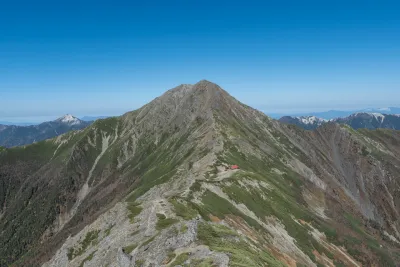
Mt Kita (北岳)
Yamanashi·3193mJapan's second tallest mountain, located in the Southern Alps. Mt Kita can be climbed as a 10-hour day hike, or as a 2-day hike with an overnight stay at a mountain hut. Optionally, can be climbed together with the neighbouring Mt Aino.
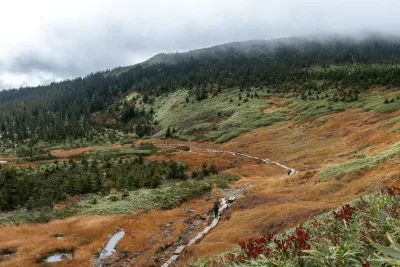
Mt Nishi-Azuma (西吾妻山)
Fukushima / Yamagata·2034mA quick 3 hour hike with ropeway and chairlift access. Especially beautiful during autumn. Can done as an (expensive) day trip from Tokyo via shinkansen.
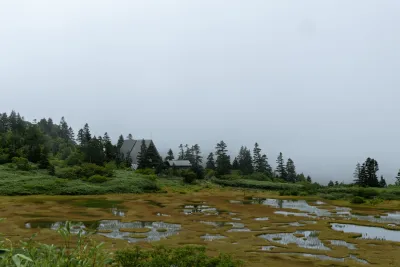
Mt Myoko (妙高山)
Niigata·2454mI hiked Mt Hiuchi and Mt Myoko together as a 2-day hike, but they can be done as separate 9-hour day hikes. Especially popular in autumn.
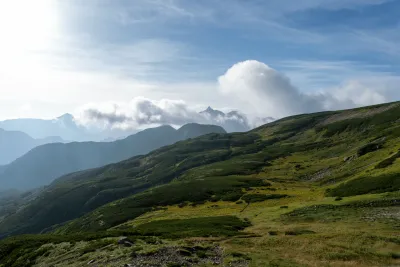 japanese alps
Mt Yari (槍ヶ岳)
Gifu / Nagano·3180mA 3-day hut-to-hut hike through the North Alps, climbing Mt Kurobegoro and Mt Yari via the Nishi-Ginza Diamond course.
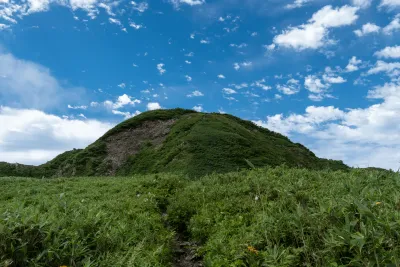
Mt Amakazari (雨飾山)
Nagano / Niigata·1963mSome steep climbs but a reasonable 6.5 hour day hike. The final portion is a ridgeline walk with lots of alpine flowers in summer with views out to the Sea of Japan.
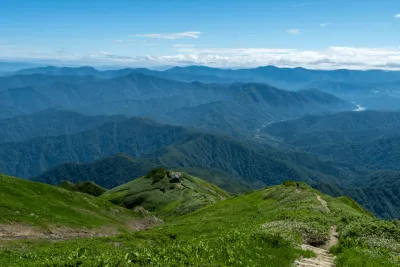
Mt Echigo-Komagatake (越後駒ヶ岳)
Niigata·2003mA Hundred Famous Mountain in Niigata also famous with photographers for its unique waterfall clouds, which can be viewed at sunrise.
 japanese alps
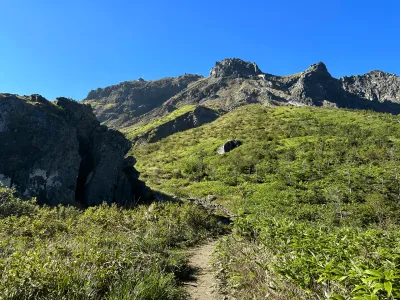
Mt Yake (焼岳)
Gifu / Nagano·2455mA day hike from the popular Kamikochi. The 13km course via Kamikochi takes 7.5 hours, or there's a shorter 5-hour course from Shinnaka-no-yu trailhead.
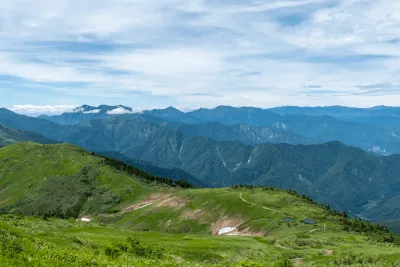
Mt Makihata (巻機山)
Gunma / Niigata·1967mA hyakumeizan straddling Gunma and Niigata prefectures, with a long ridgeline walk near the summit once you escape the forest. Expect a long 8 - 9hr day hike, with opportunities to spot nikko-kisuge flowers if you come in mid-July.
 japanese alps
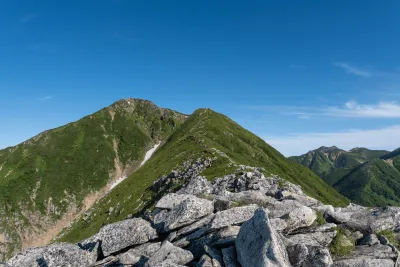
Mt Jonen (常念岳)
Nagano·2857mOne of Japan's Hundred Famous Mountains in the North Alps, relatively accessible with a 4-hour drive from Tokyo. Can be done as a long day hike (10-11 hours) or overnight at the mountain hut.
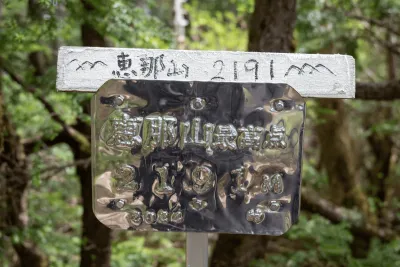
Mt Ena (恵那山)
Nagano / Gifu·2191mUnfortunately has a reputation as one of the most "boring" of the Hundred Famous Mountains due to lack of views, but it's not as bad as its reputation suggests.
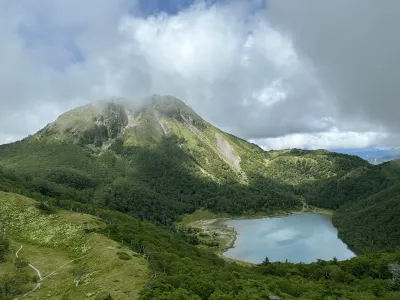
Mt Nikko-Shirane (日光白根山)
Gunma / Tochigi·2578mA beautiful hike in Nikko National Park with varied scenery and plenty of ridgeline walking.
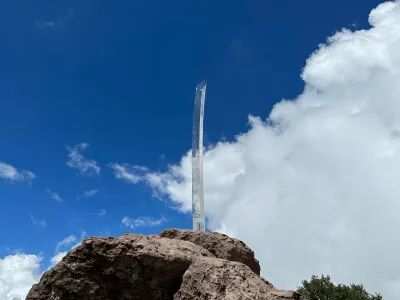
Mt Nantai (男体山)
Tochigi·2486mA steep climb, but possible as a day hike from Tokyo. Located in Nikko National Park. Has a rather interesting 3.5m sword at the summit.
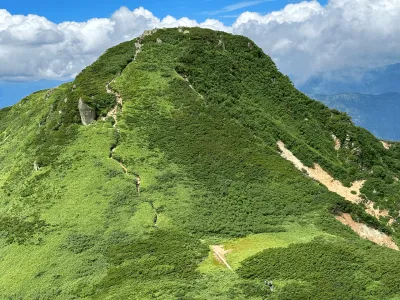
Mt Hiuchigatake (燧ヶ岳)
Fukushima·2356mOne of the 3 major peaks in Oze National Park, with great views of the Oze Marsh. Can be combined as a 2-day hike with the neighbouring Mt Shibutsu.
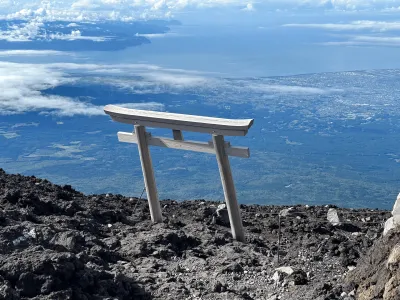
Mt Fuji (富士山)
Shizuoka / Yamanashi·3776mEverything you need to hike Mt Fuji as a day trip via the overnight bus from Shinjuku - costs, difficulty, season dates, altitude sickness tips, and a full trip report. Updated for 2026.
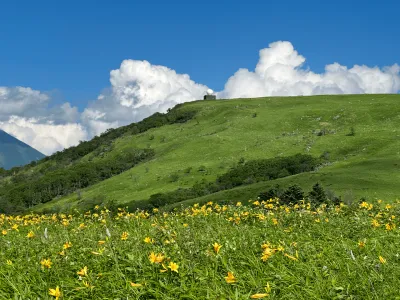
Mt Kirigamine (霧ヶ峰)
Nagano·1925mOne of the easiest hyakumeizans, most popular for its yellow Nikko Kisuge flowers which bloom in July.
 yamanashi
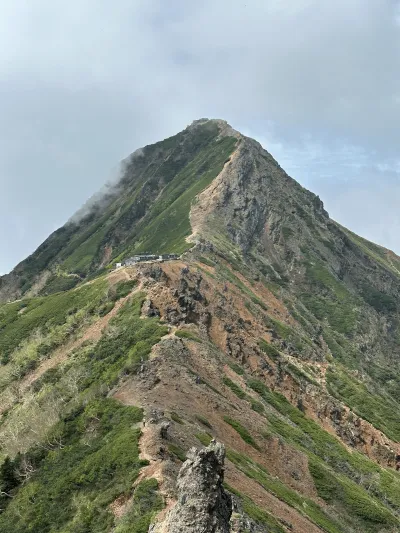
Mt Aka (赤岳)
Nagano / Yamanashi·2899mThe highest peak in the Yatsugatake mountain range. Possible as a "day" hike from Tokyo if you don't mind taking an overnight bus. Otherwise expect a night's stay in a tent or mountain hut.
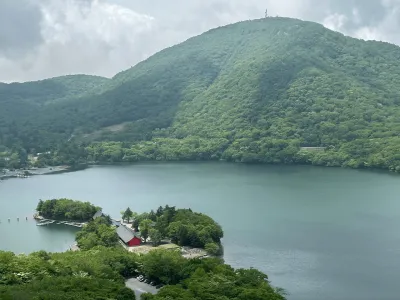
Mt Akagi (赤城山)
Gunma·1826mA straightforward beginner-friendly loop course, with good bus access. Particularly popular in May for its pink azaleas. You can also visit the nearby Akagi Shrine.
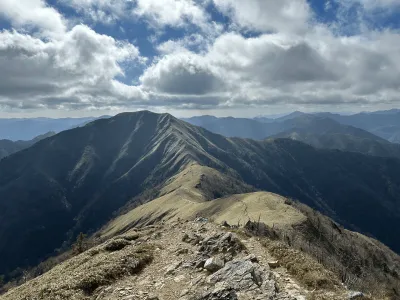
Mt Tsurugi (剣山)
Tokushima·1955mShikoku 2/2. Pair together with Mt Ishizuchi.
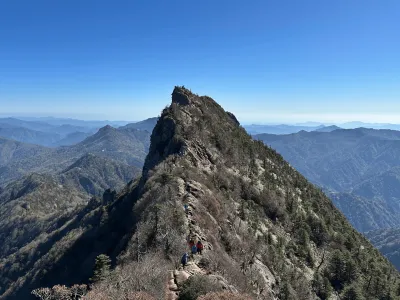
Mt Ishizuchi (石鎚山)
Ehime·1982mShikoku 1/2. Access via Matsuyama airport or Shinkansen. Accounting for travel time, may need up to 4 days to climb both Shikoku mountains if you are coming from Tokyo.
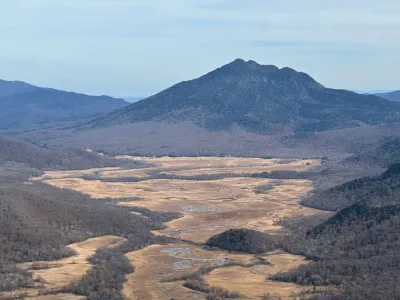
Mt Shibutsu (至仏山)
Gunma·2228mOne of the 3 major peaks in Oze National Park, with great views of the Oze Marsh. Can be combined as a 2-day hike with the neighbouring Mt Hiuchigatake.
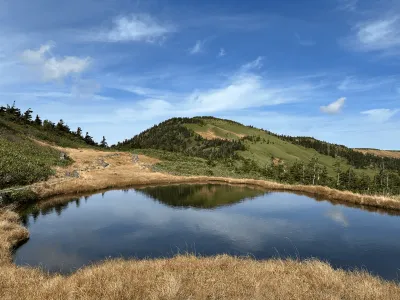
Mt Aizu-Komagatake (会津駒ヶ岳)
Fukushima·2133mOze National Park 3/3. 4 hour drive from Tokyo or overnight train. Can pair with the other Oze hikes or also with the Nikko hikes.
 japanese alps
Mt Norikura (乗鞍岳)
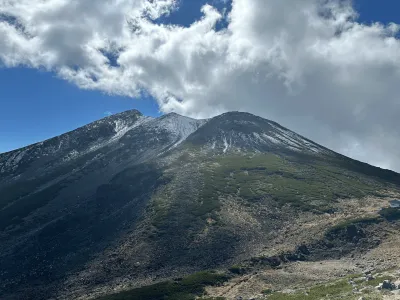
Gifu / Nagano·3026mThe easiest mountain in the Northern Alps, and home of the highest bus stop in Japan. Can pair with Mt Ontake or Kamikochi / Mt Yake for a weekend trip.
Mt Ontake (御嶽山)
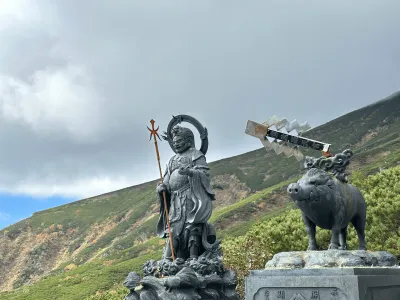
Gifu / Nagano·3067mA still-active volcano that last erupted in 2014. Can pair with Mt Norikura or Mt Kiso-komagatake for a weekend trip.
Mt Tanigawa (谷川岳)
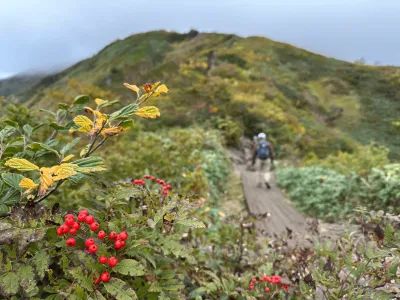
Gunma / Niigata·1977mDay trip accessible via Shinkansen and local train to Doai station, the deepest train station in all of Japan. Very popular in autumn.
Mt Omine / Mt Hakkyo (大峰山 / 八経ヶ岳)
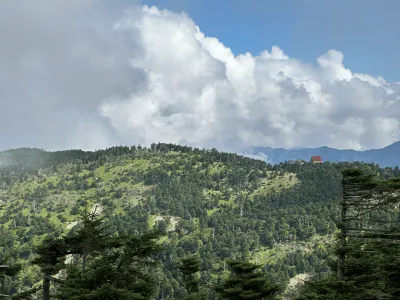
Nara·1915mNara 2/2. Will need to make it into an overnight hike (mountain hut available) if you want to take public transport, but possible as a day hike via car.
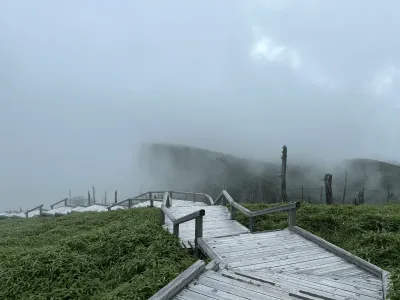
Mt Odaigahara (大台ヶ原)
Mie / Nara·1695mNara 1/2. Quite an easy mountain, and has public transport access but not the greatest (I drove). Pair together with Mt Omine.
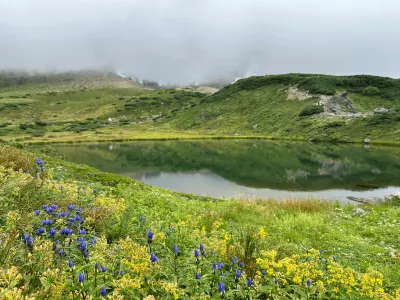
Mt Asahi (大雪山 / 旭岳)
Hokkaido·2291mHokkaido 2/9. In Daisetsuzan National Park. Tallest mountain in Hokkaido, but also with the best public transport access.
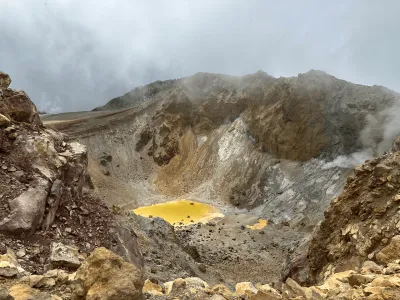
Mt Meakan (阿寒岳)
Hokkaido·1499mHokkaido 3/9. The course is not too long, with stunning views into the crater's yellow lake. Unfortunately no public transport access.
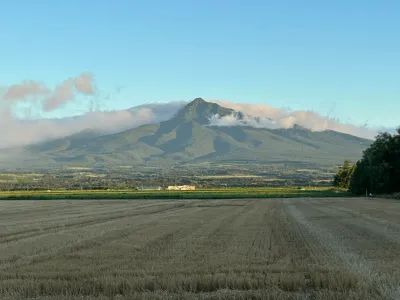
Mt Shari (斜里岳)
Hokkaido·1547mHokkaido 1/9. Has a stream-climbing portion for the adventurous, but also an alternate course. Unfortunately will require car or taxi to the trailhead.
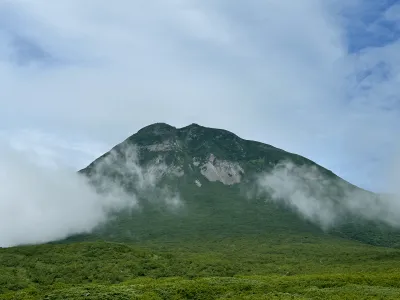
Mt Rausu (羅臼岳)
Hokkaido·1661mHokkaido 4/9. One of the longer Hokkaido hikes. With public transport, will need to spend the night near the start of the trail at a hut or hotel, or camp near the peak in the middle of bear country.
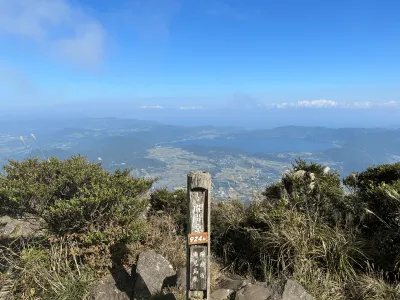 hyakuteizan
Kaimondake (開聞岳)
Kagoshima·924mThe second-lowest elevation hyakumeizan, climbable for many months of the year.
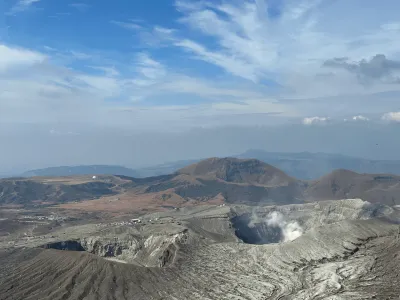
Mt Aso (阿蘇山)
Kumamoto·1592mA still-active volcano which frequently gets closed off, so check before you go.
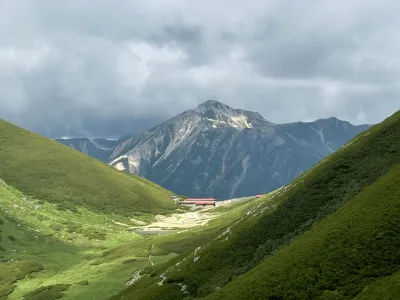 japanese alps
Mt Washiba (鷲羽岳)
Toyama·2924mPart of the Northern Alps. Can be combined with Mt Suisho as part of a 3 (or 4) day hike.
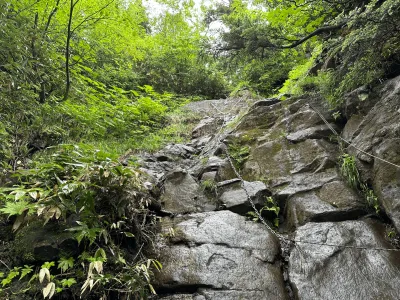
Mt Hotaka (武尊山)
Gunma·2158mMost popularly climbed as a snow hike in the winter, in which case there is public transport access and the course time is shortened to 3.5 hours. The 6.5h summer course does have a portion of chain-climbing over a steep rock-face.
 japanese alps
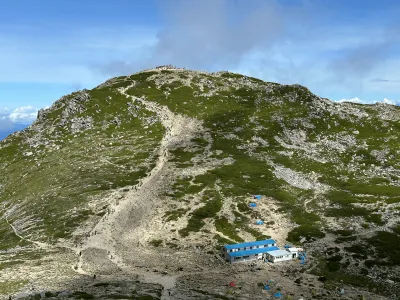
Mt Kiso-komagatake (木曽駒ヶ岳)
Nagano·2956mA gorgeous introduction to the Chuo Alps, with the highest ropeway station in Japan. The closest you can get 3000m on a day trip hike from Tokyo.
 yamanashi
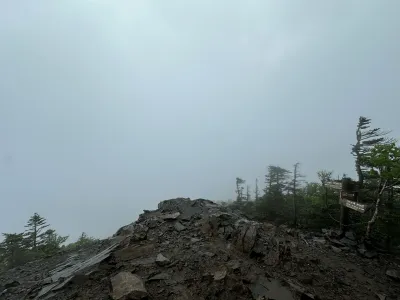
Mt Kobushi (甲武信ヶ岳)
Nagano / Saitama / Yamanashi·2475mA bit on the harder side as a day trip, with a 3.5 hour drive from Tokyo, but the course was easier than I expected as the elevation gain is not too steep. Taking public transport will require you to spend the night at the mountain hut.
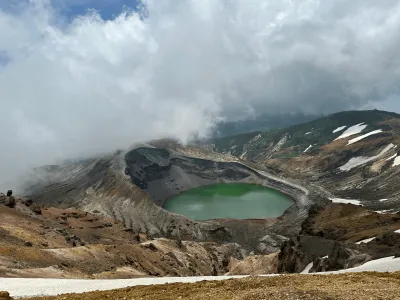
Mt Zao (蔵王山)
Miyagi / Yamagata·1841mCan do as a very expensive day trip via Shinkasen access to Yamagata station. Is right next to the popular Zao Onsen town.
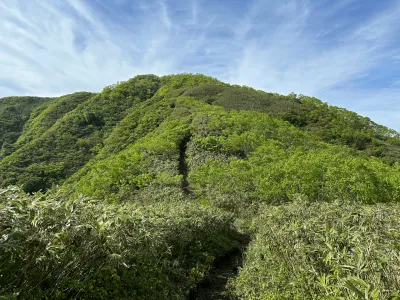
Mt Arashima (荒島岳)
Fukui·1523mThe only hyakumeizan in Fukui. The nearest mountains you could drive to are Mt Ibuki, Mt Ena and Mt Haku, although none of them are that close.
 hyakuteizan
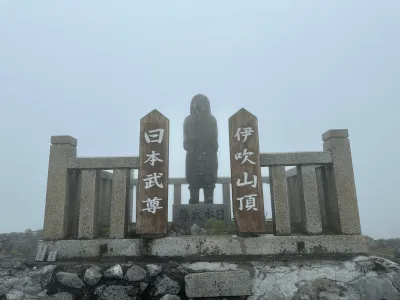
Mt Ibuki (伊吹山)
Gifu / Shiga·1377mDay trip access (albeit expensive) via Shinkansen to Maibara station. As of 2024, the main hiking trail is closed. Instead you can drive (or take a bus in the summer season) to right near the peak.
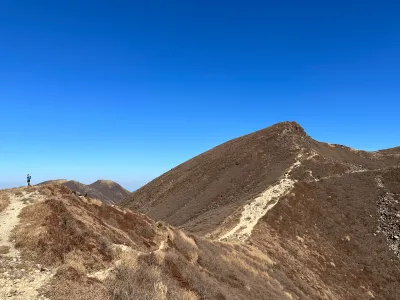
Mt Kuju (九重山 / 久住山)
Oita·1787mKyushu 2/6. Stunning volcano views, good access via highway bus.
Mt Sobo (祖母山)
Oita / Miyazaki·1756mKyushu 1/6. If you had to skip one of the Kyushu hyakumeizan, it would have to be this one. Public transport access will take the course time up to 7.5h.
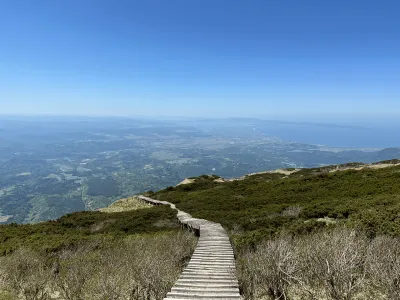
Mt Daisen (大山)
Tottori·1729mThis one's all one its own in Tottori prefecture. You'll probably take a plane to Tottori airport, climb this one and then fly back home.
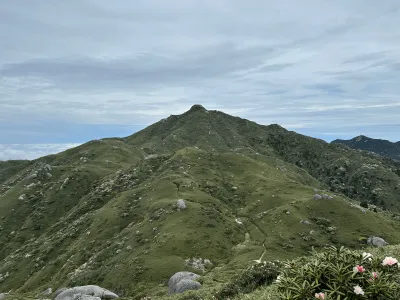
Mt Miyanoura (宮之浦岳)
Kagoshima·1936mThe tallest mountain in Kyushu, on the island of Yakushima. We did a 3-day hike staying at unmanned huts on the trail.
 yamanashi
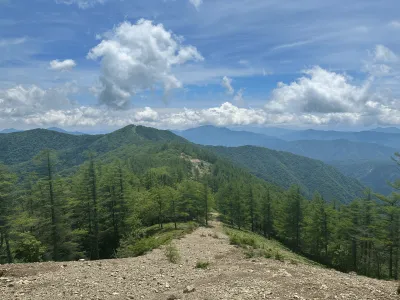
Mt Kumotori (雲取山)
Tokyo / Saitama / Yamanashi·2017mThe highest mountain in Tokyo at 2017m. The standard 20km course is best done overnight, but strong hikers can complete it as a day trip from Tokyo.
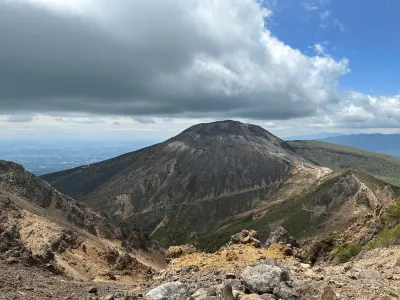
Mt Chausu (茶臼岳)
Tochigi·1915mA volcanic mountain with some stunning scenery. The ropeway up to near the summit makes this an easy 1h hike, with the option to extend to a longer day hike.
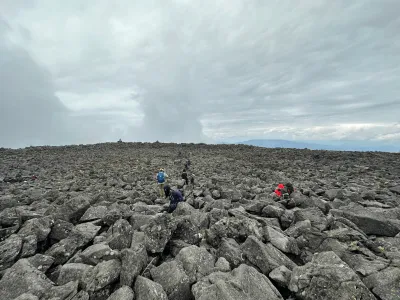
Mt Tateshina (蓼科山)
Nagano·2530mNo public transport access, but quite a short hike so doable if you have a car. The summit is a huge field of rocks.
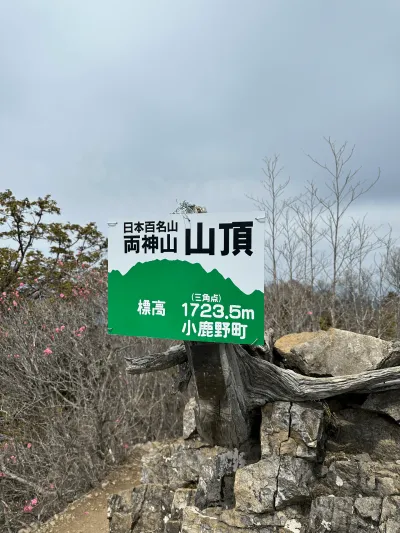
Mt Ryokami (両神山)
Saitama·1723mThe bus timings are a bit dicey, so it might be better as an overnight hike if you want to take your time. But I found it to be quite doable as a daytrip with public transport. Since it's low-elevation you can climb it earlier than other hyakumeizans.
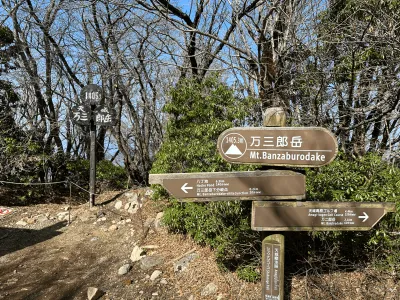 hyakuteizan
Mt Amagi (天城山)
Shizuoka·1406mIs one of the rare few hyakumeizans near the ocean, although its views aren't too great due to the tree cover. With its low elevation, can be climbed in the off-season.
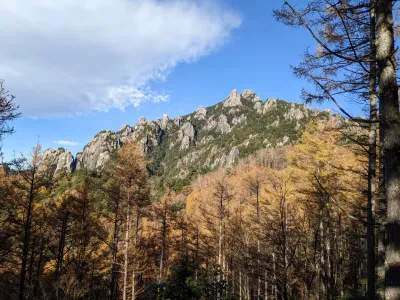 yamanashi
Mt Mizugaki (瑞牆山)
Yamanashi·2230mAlthough the course distance is short, it is deceptively hard as there are some steep climbs. Can be combined with the nearby Mt Kinpu as an overnight camping trip.
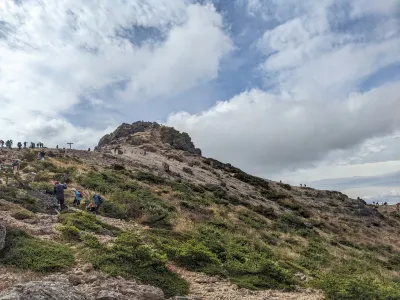
Mt Adatara (安達太良山)
Fukushima·1699mFukushima 1/3. Accessible as an expensive day hike from Tokyo thanks to the Shinkansen. Recommending pairing with another Fukushima mountain. Very popular in the autumn season.
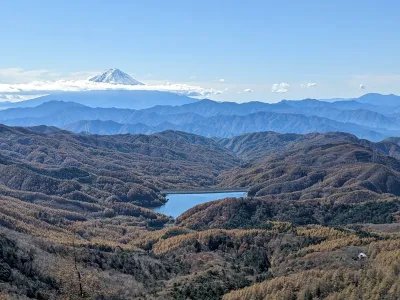 yamanashi
Mt Daibosatsu (大菩薩嶺)
Yamanashi·2056mShort course, easily accessible from Tokyo, and great views of Mt Fuji if you are lucky.
 tanzawa mountains
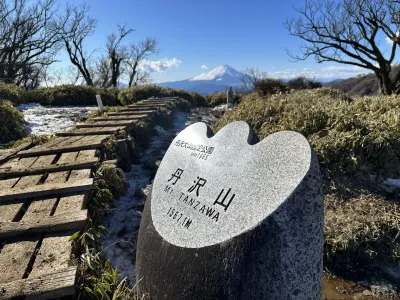
Mt Tanzawa (丹沢山)
Kanagawa / Yamanashi·1567mThe course is long at 18km, but well-maintained with lots of stairs and rest huts, and easy access from Tokyo. Can split it up into an overnight hike with a stay at one of the huts.
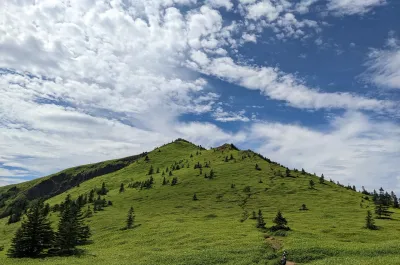
Mt Azumaya (四阿山)
Gunma / Nagano·2354mDay trip accessible via Shinkansen to Ueda station and then a local bus. Course can be as short as 3.5h by car, but with public transport expect it to take 7 - 8 hours. The best part of this hike is seeing the neighbouring peak of Mt Neko.
 hyakuteizan
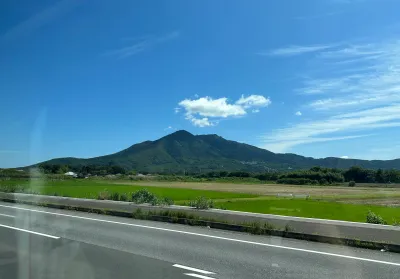
Mt Tsukuba (筑波山)
Ibaraki·877mThe lowest elevation mountain in the hyakumeizan, and a good beginner-friendly intro. Standard course is 4h.
Comments
This is exactly the info about Hyakumeizan that I was looking for while I was still living and hiking in Japan. I have bookmarked this and will use it when I visit Japan in the future. What surprised me is that so many mountains in this list are doable in day hikes despite being quite tall. I guess their trailheads are located quite high as well or there is a ropeway that takes us up partially. Thanks for this amazing work!
Thanks for stopping by Maharshi! And yeah, there are a lot of day trip options if you are living in Tokyo - I'm now at 52/100 and have gone through most of the easier mountains now. The real challenge lies in the South and North Alps, which probably contain about 25% of the hyakumeizan just in those two mountain ranges.
I was amazed by how well made this list was. Thank you so much!
I had no idea that 「日本百名山」was a thing, that's a fun challenge! Next time I'm in Japan I'll consider some of these hiking options.
PS.: I discovered your blog via Manu's People & Blog's interview, I'm really enjoying reading your posts about hiking! ありがとうね!✌️
Leave a comment