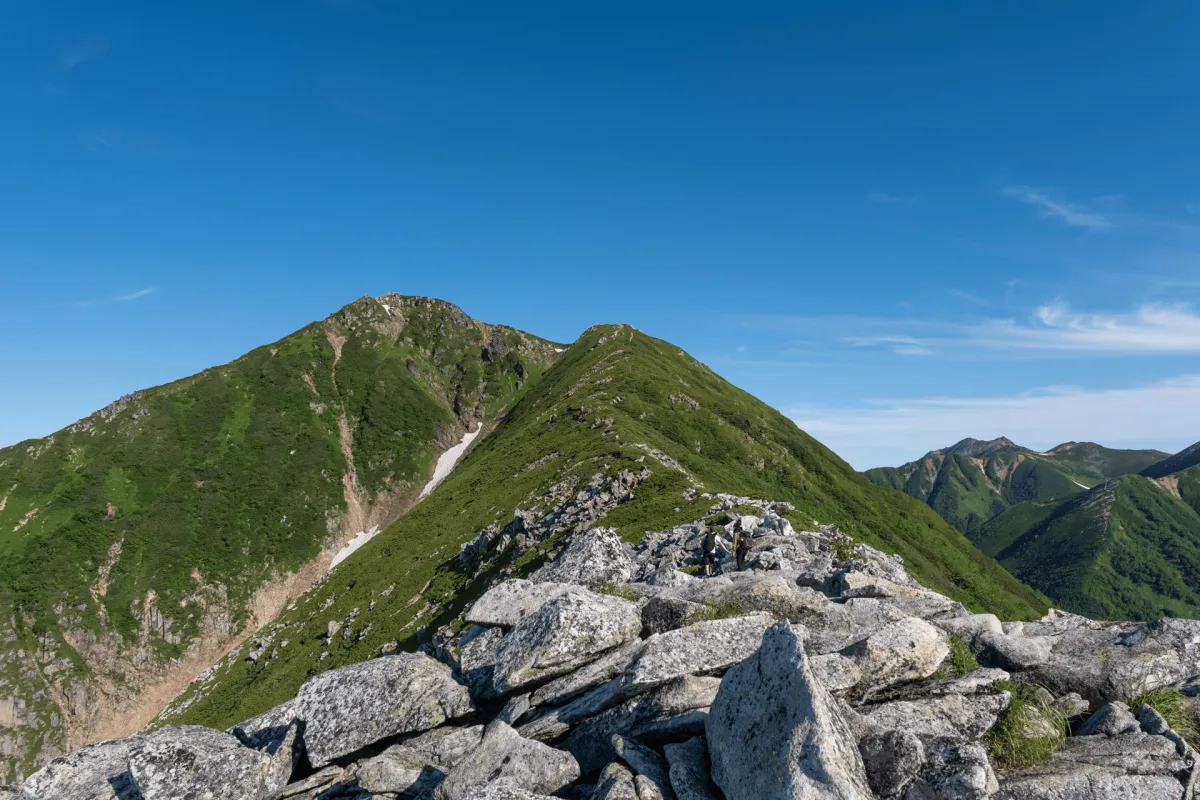
I’ll admit I used to be a big fan of being able to sleep in my own bed at the end of a long day’s hike, and I shied away from doing any sort of overnight hiking. As I got stuck into checking off the Hundred Famous Mountains of Japan however, I found that some hikes were too long to be done in a day, and so I reluctantly decided to give it a go… and actually, now I find that I enjoy it!
Many of Japan’s mountains have mountain huts, which enable you to do hut-to-hut hiking, or if you bring your own tent you can stay at their campsite for quite cheap too. I have a separate post if you’d like to read more on what it’s like to stay at a Japanese mountain hut.
Some of the mountains below I have actually done as (very long) day hikes, but realistically speaking are best done as overnight hikes, so I have still also included them in this page.
Best beginner overnight hikes in Japan
For beginners to overnight hiking, you’ll want to pick a shorter course, or one where the hut or tent site is at the start and end of the trail. Especially if you’re carrying a tent, it’s quite tiring to climb up and traverse mountains with a heavy pack. This means you can leave some of your gear behind at the campsite/hut to make your pack lighter, hike up to the peak, and then back down again. In the summer months, I would recommend mountains in the Japanese Alps like:
- Mt Yake in Kamikochi / Northern Alps, which is great for a first-time camper as the campsite is at the start of the trail.
- Mt Senjo in the Southern Alps, for those wanting to stay at a mountain hut - the hut is at the start of the trail, so you can drop off your overnight supplies there.
- Mt Kisokoma-gatake in the Central Alps. This can be done as a short 3-hour day hike, but there is a hut near the peak so you could take your tent up and have more of a leisurely stay and enjoy the sunset / sunrise.


If you’re looking to do an overnight hike out of the summer months, you’ll want to stay at a lower elevation. If you’re near Tokyo, I would recommend two mountains in particular:
- Mt Kumotori: Tokyo’s tallest peak at an elevation of 2017m. It’s a 20km-long course with a mountain hut at the peak. The trail is long, but quite smooth so I would say makes for some easier walking with a heavier pack.
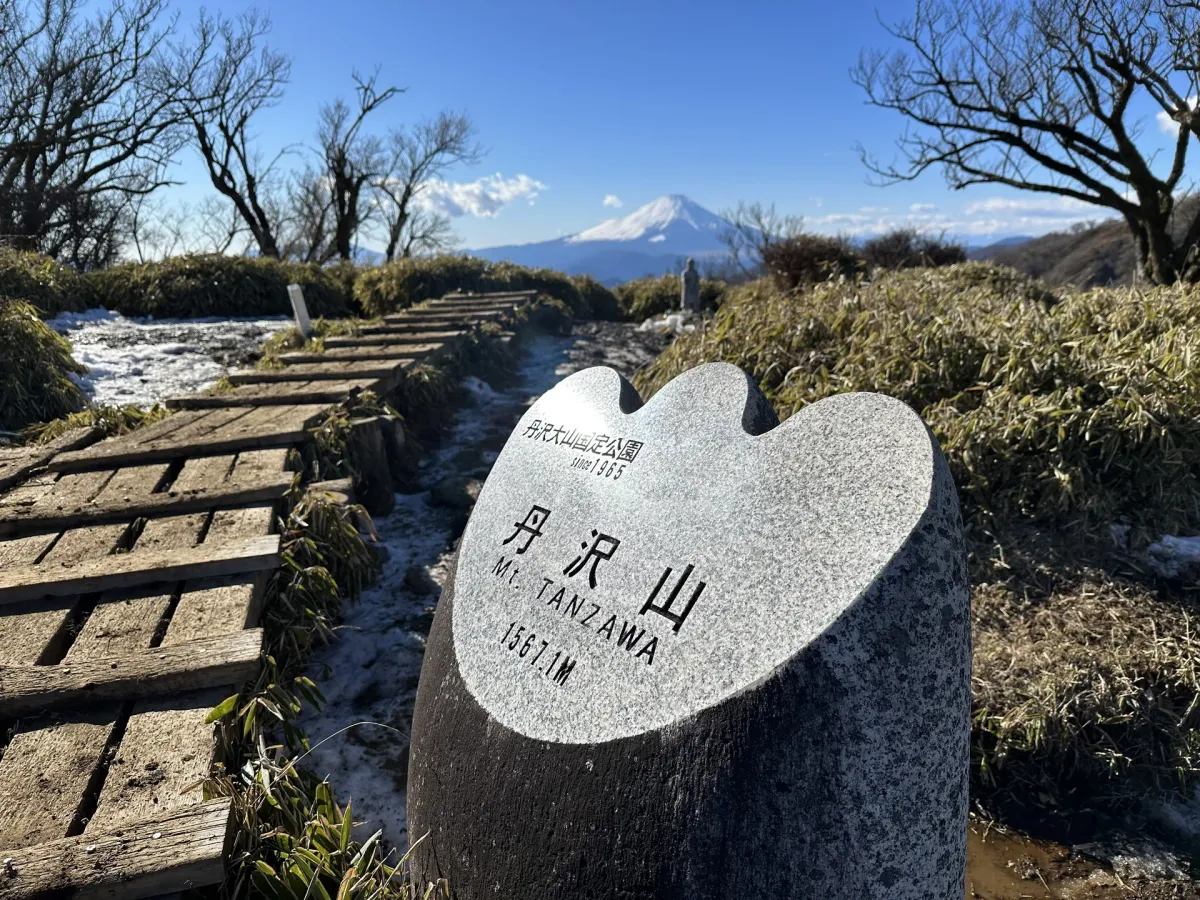
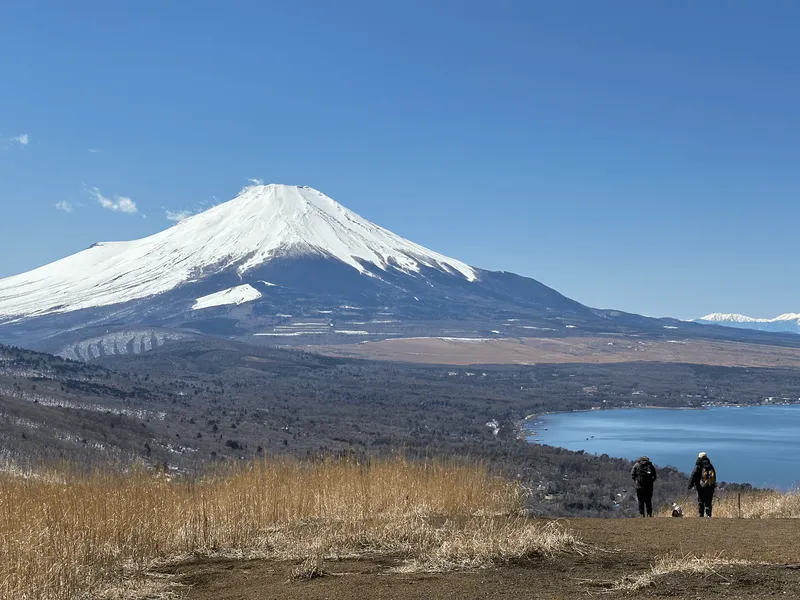
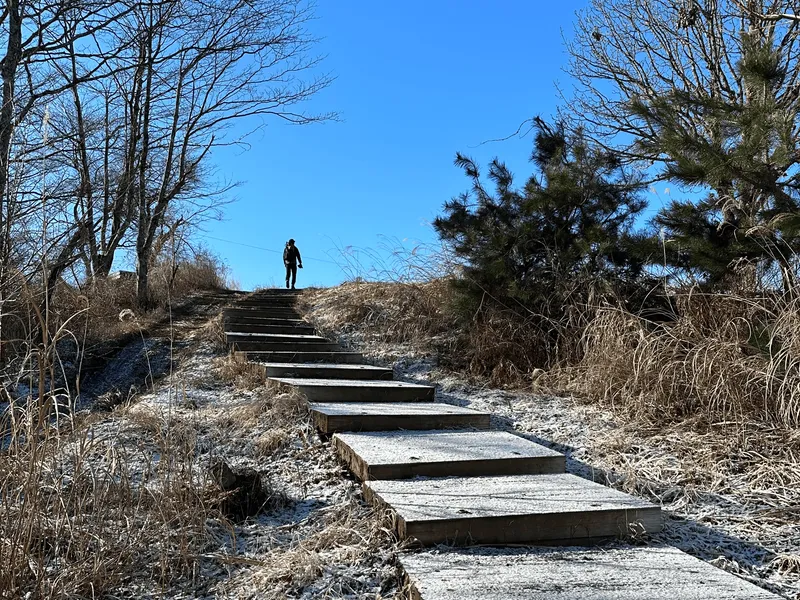
- Mt Tanzawa: A great mountain with a Fuji view in Kanagawa, standing at an elevation of 1567m. There are plenty of mountain hut options along the way to take a break, so there’s lots of ways you could hike this. You could do and out-and-back, extend your hike out further to the neighbouring Mt Hirugatake, or continue your hike out the other side and finish down at the Nishi-Tanzawa Visitor Centre.


Generally I feel more safe when there are other people around the on the trail, and especially Mt Tanzawa sees quite a few day hikers who head up to the nearby Mt Tonodake which makes it pretty ideal for beginners or solo hikers. The other upside (or downside) is that their max elevation is around 1500m - 2000m, which means you can comfortably climb them outside of the summer season.
This is in comparison to the higher 3000m elevation hikes in the Alps, which you can only climb in the summer months. On the flipside I would not recommend hiking Mt Tanzawa in the summer months as it can get quite hot, and the mountain trails have leeches (ew).
More 2-day hikes in Japan
My other favourite hikes outside of the Japanese Alps so far have been:
- Mt Aka and the Yatsugatake range: such a stunning mountain! It’s a little bit closer than the Japanese Alps to Tokyo, and the rugged terrain still makes for a very cool Alps-like hike in its own right.
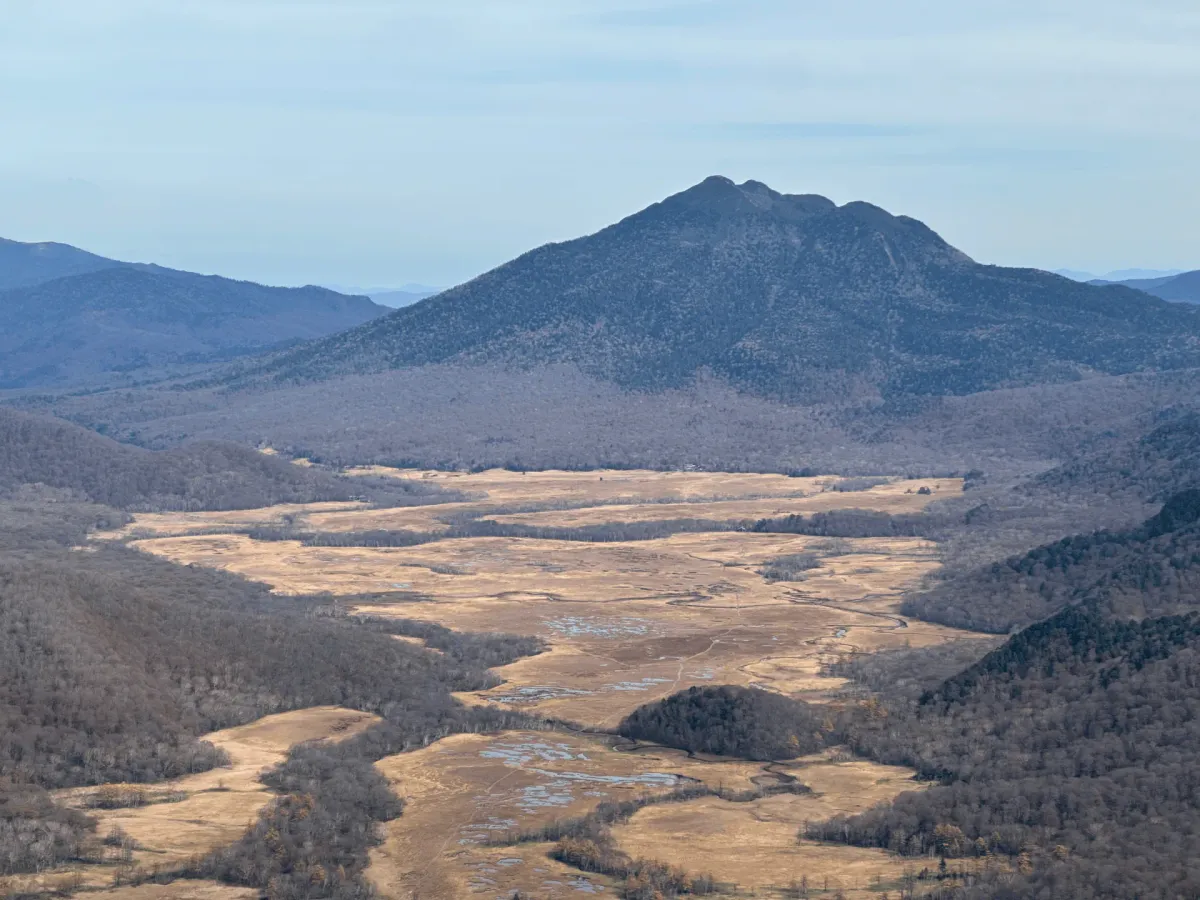
- Mt Shibutsu and/or Mt Hiuchigatake in Oze National Park. The two peaks are connected by the Oze Marsh which spreads out in between them. You can hike one mountain, spend the night down at the marsh, and (optionally) hike the other. I have hiked both of these mountains separately, but have also put together a separate post with details here on doing a 2 or 3-day hike that tackles both.


Other notable mentions include:
- Mt Mizugaki and Mt Kinpu, which can be combined as a 2-day hike in Yamanashi. Mt Mizugaki is known for its very, very steep climb to the summit.
- Mt Hiuchi and Mt Myoko: this is a loop course that covers both peaks. To make it easier, you can also climb up to Mt Hiuchi, spend the night, and then take the same trail back down again.
- Mt Kuju if you’re down in Kyushu. I’ve done this as a short day hike, but it seems there are longer trails available that let you do some camping as well.


More 2-day hikes in the Japanese Alps
The Japanese Alps have some of the best hiking scenery in all of Japan, and are very popular for overnight hikes in summer. I’ve already recommended a couple in the beginner section on this page, but here’s three more:
- Mt Jonen is one of the peaks located on the southern side of the Northern Alps, which makes the trailhead a little more accessible (only a 1 hour drive from Matsumoto city).
- Mt Kita and Mt Aino in the Southern Alps are Japan’s second and third tallest mountains respectively and can be combined as a 2-day hike.
- Mt Senjo in the Southern Alps can be combined with Mt Kaikoma. You’d do two separate day hikes with a hut stay in between.
- Mt Houou, also in the Southern Alps, is a very pretty 2-day hike I’ve done with a tent. One of the benefits of Mt Houou is you can hike it in June, a little bit earlier than other hikes in the Alps.


3-day hut-to-hut hikes in the Japanese Alps
If you’re up for the challenge, there are options to do longer hikes, especially in the Northern Alps. The North Alps is one of the best places to do hut-to-hut hiking in Japan - there are many huts along the trail allowing you to do 2 - 5 day hikes without needing a tent. It does come with some rather steep elevation gains though, as you are climbing proper mountains. I would only recommend these for a hiker with at least an intermediate amount of fitness. For reference, both hikes below were about 42km with 3500m of elevation gain over the 3 days. (Alternatively you could take a 3-day course and spread it out over 4 days).
I’ve done two 3-day hikes so far in the Northern Alps. The first 3-day hike I did was to Mt Washiba and Mt Suisho which was a traverse hike from Shin-hotaka onsen to the Oritate trailhead.
My second Northern Alps hike was to Mt Kurobegoro and Mt Yari, which I did using the same trailheads but in the opposite direction - from Oritate to Shin-hotaka trailhead. There’s plenty of hiking courses in the alps, so even though I used the same two trailheads to enter/exit the mountains, I covered completely different trails.


The Northern Alps especially have good access from Tokyo via highway buses that take you directly to the trailhead. The only thing you’ll need to worry about is getting clear weather for 3 days!
Hikes from the Kamikochi area
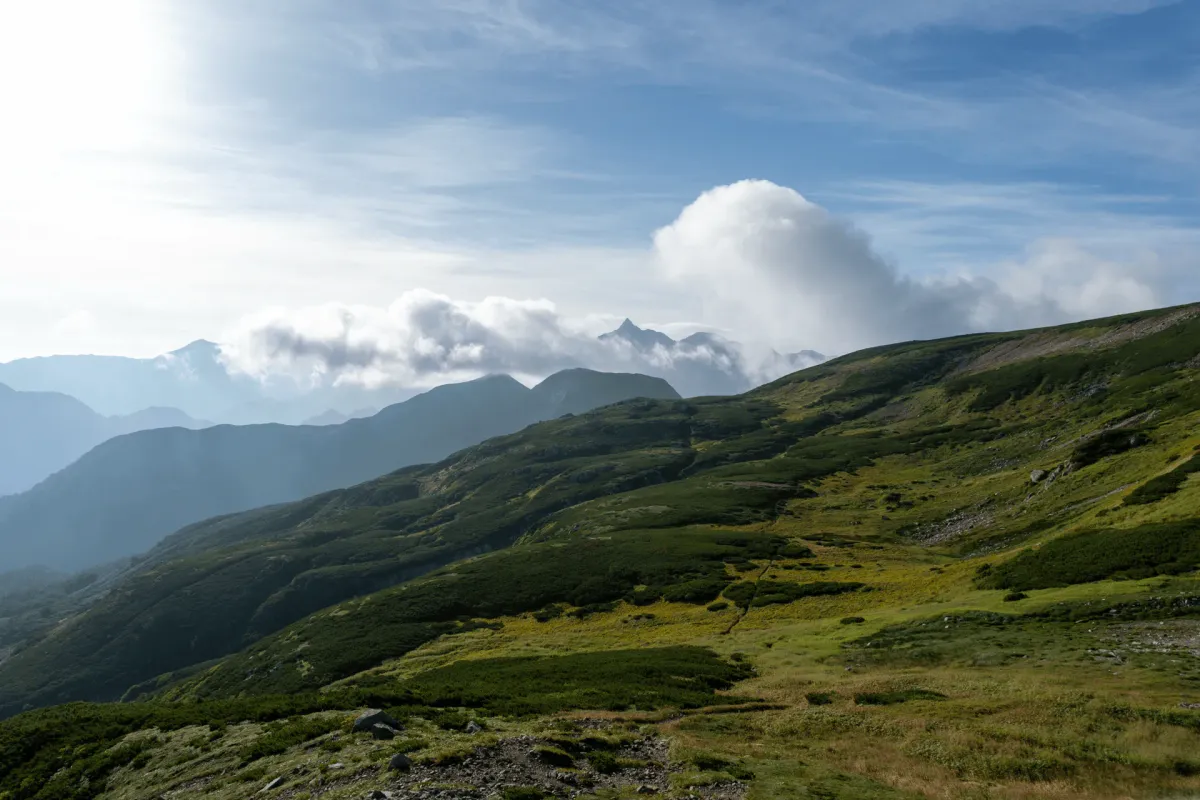
Although the Oritate and Shin-hotaka trailheads are pretty commonly used by hikers, another popular access point for hiking in the Northern Alps is Kamikochi. This is a scenic valley and river that is also popular with daytrippers coming to enjoy the views.
I previously mentioned it in the beginner’s section of the page but from Kamikochi, you can climb Mt Yake as a day hike. I’ve also heard good things about the Karasawa Cirque and Mt Hotaka, which can be accessed from Kamikochi.
Mt Yari (sometimes known as the “Matterhorn of Japan” for its pointy peak) can also be climbed via Kamikochi. I did it as a 3-day hike from a separate trailhead as I mentioned above, but you can climb it from here as an out-and-back (with a hefty 17.5hrs, 41km, 2200m elevation gain). Or alternatively you can start at Kamikochi and end at the Shin-hotaka Onsen trailhead (start at one and end at the other) as well. You can see another hike report about that course here.
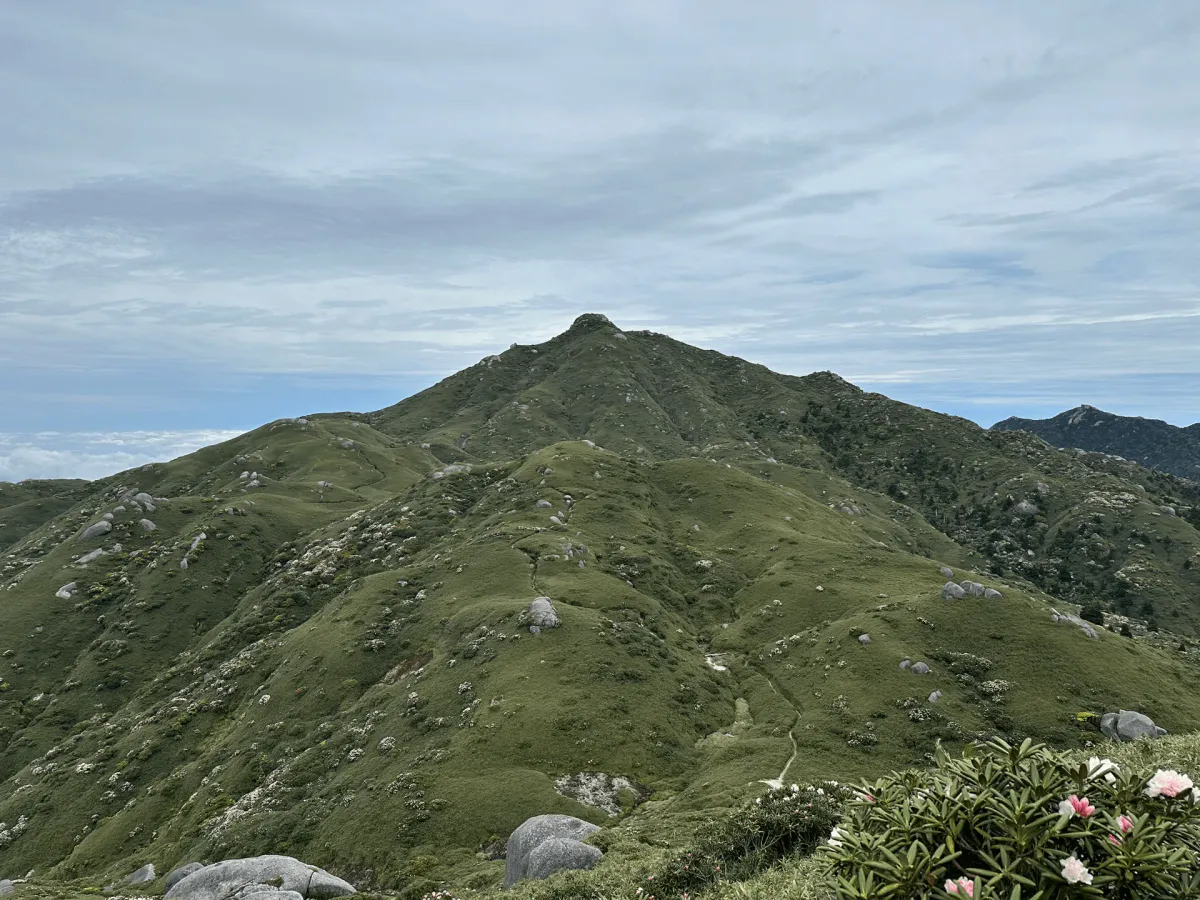
3-day hike on Yakushima Island
For those looking for a wilder experience, you can also head down to the very rainy Yakushima island, which is off the coast of the Kyushu mainland. There are shorter day hike or 2-day hiking options, but the ultimate course is to do a 3-day traverse of the island to climb its highest peak, Mt Miyanoura. All the mountain huts on the island are unmanned, so you’ll need to bring plenty of food to last the 3 days. Even with how remote it is, it is a pretty popular hike so you will still pass plenty of people about.

Japan hiking itinerary: what to expect
If you’re wanting to try and visualise or plan what a multi-day hiking itinerary might look like in Japan, here’s a broad overview.
Day 1 and arriving at the trailhead
Before you begin your hike, there’s a couple of options on how to actually get to the trailhead and start your hike. There’s four main options:
- Overnight bus: get a bus that departs Tokyo at 10pm, and arrive at the trailhead bright and early (4am - 6am) the next morning. There are specific buses geared towards hikers that drop you off at the trailhead, and they are quite convenient. This lets you maximise the amount of time you spend hiking.
- Drive in the day before and sleep in your car: I only tend to do this if I’m solo hiking, but I sleep in my Jimny, and tend to get a better night’s sleep than trying to use an overnight bus. I can then have an early start the next morning. In the Alps this can be pretty common in peak season, and if anything, you have a better chance of securing a spot in the carpark if you show up the night before. The one downside to this is that you are limited to doing out-and-back or loop courses. I also find it a bit scary to drive on narrow mountain roads at night, so I do my best to arrive before sundown if I can.
- Arrive the day before, and find accommodation near the start of the trail. This is a bit dependent on the mountain you are climbing, and if there are lodging options near the trailhead. This will guarantee you a good rest and an early start the next day, but is probably the most expensive option.
- Set out from Tokyo (or wherever you are coming from) in the morning, and aim to reach the trailhead by late morning or midday-ish. On day 1, you would expect to do a shorter hike, so find a campsite or hut on the course that is 1 - 3 hours into your hike.
Finishing off a day’s hiking: when to arrive and dinner times
Japanese hikers traditionally finish their hiking at 3 or 4pm at the latest. Even though the sunset time might be at 6pm, the general culture is to start early and finish early. If you are checking into a hut, they will generally ask you to check in by 3 or 4pm.
Once you check in, you can check out your accommodation (I have a separate post on what it’s like to stay at a Japanese mountain hut) or set up your tent, and have a bit of downtime. If you are staying at a hut, dinner is usually served around 5 - 6pm and lights out is generally around 8pm. If you are camping, some huts will let you buy lunch if you come before 2 or 3pm, but they do not serve dinner so you will have to bring your own.
Setting out from the mountain hut the next morning
Like I mentioned, Japanese hikers like to start early and finish early, so expect to hear the rustling of everyone waking up and getting ready to head out around 4am (yes, really). This is of course dependent on the mountain - maybe if you are hiking somewhere not too strenuous people might have more of a sleep-in. In the Alps people know they have a long day ahead of them, so they set out quite early. It’s still dark for the first hour or two, so people use head-torches.
Japanese mountain hut and campsite costs
Mountain huts vary from hut to hut, but you’ll be looking in the range of 10,000 yen for a night’s stay, and up to 14,000 yen if you include meals. This is for the most basic sleeping arrangement where you share a room with other people, and costs go up if you want to book a private room.
If you book a campsite, this is much cheaper, and is in the range of 1,000 - 2,000 yen.
Camping is much more flexible, as you don’t need to book ahead (except on some popular mountains) but huts can book out quite quickly on weekends, so you will be looking to book your hut stay at least 2 months ahead of time.
The best time to do an overnight hike in Japan
Depending on where you want to go, there’s a couple of good times of year for overnight hikes in Japan.
- In the Japanese Alps: most mountains are snow-free between mid-July and mid-September. You may be able to stretch this into mid-October, depending on when the first snowfall of the year is, but beyond this point many mountain huts close for the season
- Near Tokyo (Kumotori and Tanzawa): since these are a bit lower in elevation, April - May or October - November tend to be the sweet spot
- Yakushima: it warms up quicker here, so this can be hiked between March - May if you’re looking for something a bit earlier in the year as well
Other types of multi-day hiking in Japan
As a final side note, my blog has quite an emphasis on mountain climbing in Japan, but I also occasionally get asked about other long-distance trails. The most popular ones (that you may have heard of) include:
- The Kumano Kodo: a long-distance pilgrimage trail in Wakayama (south of Osaka and Kyoto)
- The Nakasendo: A walking trail connecting Kyoto and Tokyo, used during the Edo period
- The Shikoku Pilgrimage: a course that takes you around 88 Temples on the island of Shikoku
Ironically, it seems like these routes have gained a lot more popularity outside of Japan. I don’t really tend to hear much about people in the Japanese hiking community walking them - I suppose this is because Japan’s hiking culture tends to focus quite heavily on reaching the peak of a mountain (especially one of the Hundred Famous Mountains of Japan) and since these trails are more like long walks, they don’t really seem to come into consideration as much.
I’d love to check them out some time to see what all the fuss is about, but I think for now I still have many mountains left to tackle that I want to prioritise first!

Read more
Leave a comment